Watch for Changes That Improve the Learning Experience
The future of education will not arrive as one new device or one replacement for the classroom. It will emerge through decisions about instruction, technology, assessment, access, and the relationships that help children learn. Some changes are already visible in particular schools; others remain proposals or uneven experiments. The fifteen directions below are a practical watchlist, not a forecast that every school will adopt every approach. For each one, ask what problem it addresses, how it affects your child’s daily work, and what evidence would show that it helps. A promising idea still needs good implementation, and a familiar practice can become newly important when other conditions change. Parents can participate thoughtfully by connecting broad discussion with ordinary details: what children practice, how teachers respond, who can participate, and whether understanding grows beyond the activity itself.
A: No. This is a watchlist of directions and decisions, not a universal adoption forecast.
A: No. Physical experience, relationships, foundational teaching, and access remain central.
A: Ask the teacher what understanding it develops and how it connects with reliable calculation.
A: Yes. Its value depends on learning and participation, not appearance alone.
A: It should broaden exploration rather than require an early lifelong choice.
A: Useful updates clarify the learning purpose, required action, and route to help.
A: Popularity describes adoption; educational benefit requires appropriate evidence.
A: Yes. Respectful support can make meaningful challenge more manageable.
A: Educators need opportunities to interpret evidence and improve implementation together.
A: Select a change affecting your child and ask how the school will know whether it helps.
1. AI Support With Clear Human Responsibility
AI may contribute to lesson preparation, feedback, or practice, but those functions need separate educational judgments. A teacher using a tool to prepare examples is making a different choice from a school allowing a system to influence consequential decisions about students. Ask who reviews the output, what information enters the process, and how errors are corrected. The useful direction is not maximum automation; it is assistance connected to a clear purpose and accountable adults. UNESCO’s Guidance for Generative AI in Education and Research (2023) offers a human-centered framework for evaluating these choices; it does not establish the rate of school adoption. Families can keep that human context visible when a product announcement emphasizes only speed or novelty. Treat the list as a discussion agenda when school announces a change. Ask what will differ in the classroom, what evidence supports that particular decision, and how families will know whether it helps. A continuing priority can deserve attention without being a newly measured trend or a reason to purchase another service.
2. Information Verification as an Everyday Skill
Children encounter plausible explanations in search results, social feeds, videos, and generated responses. Learning to examine a source, distinguish a claim from a suggestion, and check whether evidence supports a conclusion is useful across subjects. The skill becomes more urgent when polished output can be produced with little visible effort.
Look for classroom activities that make verification concrete. A student might compare two accounts, locate an original source, or explain why one piece of evidence is more relevant than another. At home, model curiosity about a surprising claim rather than treating confidence or popularity as proof. The goal is a habit of checking that can travel beyond one school assignment.
3. Assessment That Makes Thinking Visible
As outside assistance becomes easier to obtain, educators may place more emphasis on drafts, demonstrations, conversations, and explanations of choices. These methods can help reveal understanding that a polished final product conceals. Ask how the approach connects to the learning goal and whether students know what evidence they are expected to show. A child should not have to guess that a rough plan now matters as much as the finished response. Families can support this direction by preserving the student’s attempt and keeping help transparent. Assessment should provide useful information for teaching, while giving students fair opportunities to demonstrate what they know under appropriate conditions.
4. Renewed Attention to Foundational Reading
Educational change does not remove the importance of accurate word reading, language, vocabulary, and comprehension. Schools may revisit how those skills are taught and how difficulties are identified. Parents should ask which specific skills are being developed rather than relying entirely on broad reading labels.
A practical home contribution is to coordinate with instruction and maintain access to enjoyable stories. A child who needs help decoding still deserves interesting ideas through read-alouds and suitable accommodations.
Judge improvement through the child’s use of taught skills and understanding of appropriate text. A new program name does not by itself explain instructional quality. The valuable change is clearer teaching and a responsive plan when progress is limited, with families able to understand the next step.
5. Mathematics That Includes Explanation
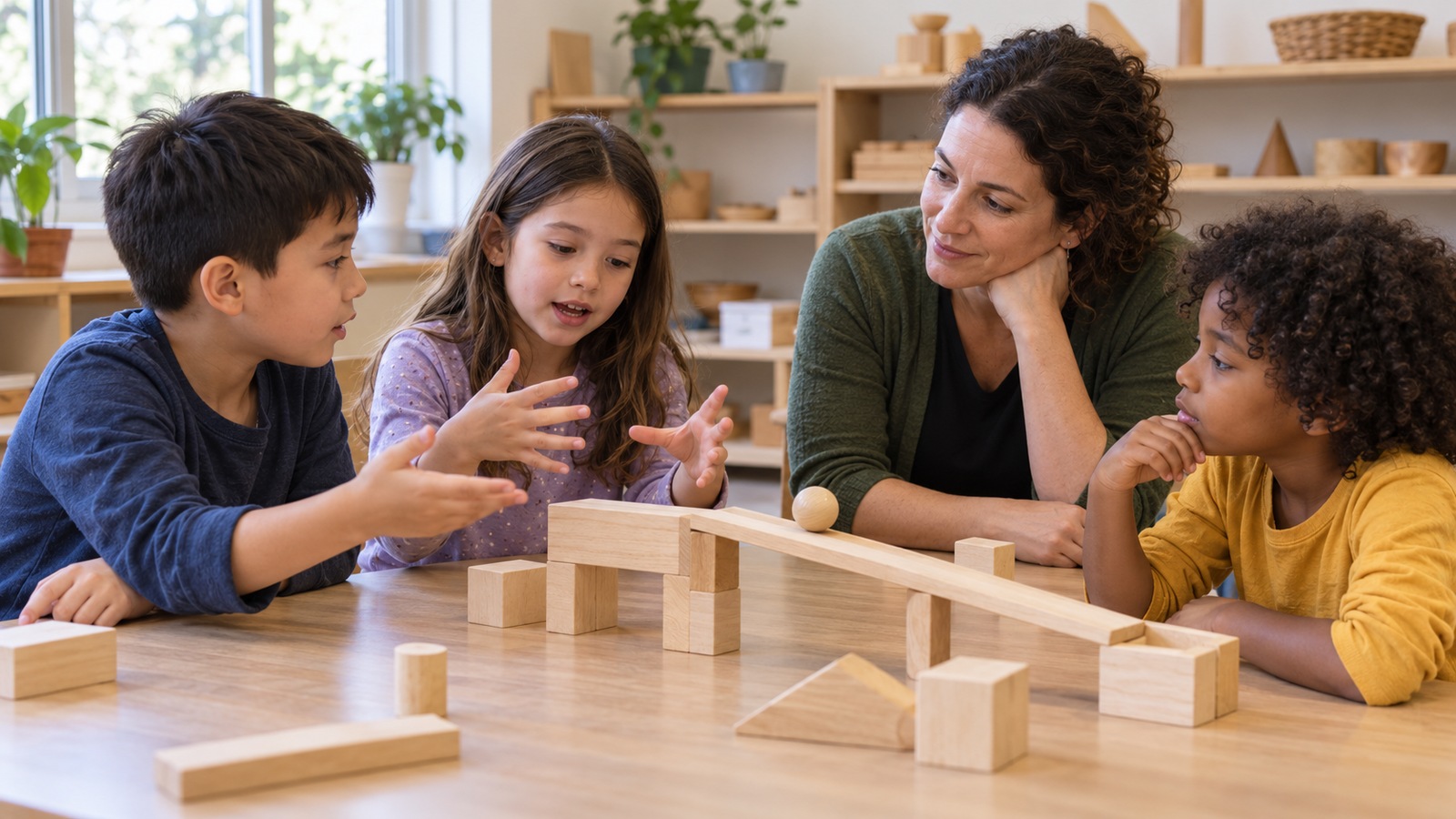
Correct answers remain useful, but educators may increasingly ask students to explain a method, compare strategies, and identify why a result makes sense. Those activities can reveal misunderstandings that a page of completed calculations does not show. Parents can invite a child to describe an approach without demanding one particular style of explanation. A drawing, a physical model, or a short verbal account may make thinking visible at different stages. When methods differ from what you remember, ask the teacher about the intended connection rather than assuming the unfamiliar method is automatically superior or inferior. Useful reasoning should support reliable understanding and calculation, with enough instruction and practice to make both possible.
6. Accessibility Designed Into the Activity
Accessibility works best when participation is considered during planning, rather than added only after a child is excluded. Materials may need different representations, assistive technology compatibility, or flexible ways to respond. A feature’s presence in a product description does not establish that it works for the particular learner.
Ask the school how students and relevant support staff are involved in evaluating an activity. A child may need both access to subject content and specialized instruction in another skill. Keep those purposes clear so an accommodation does not quietly become a reason to stop teaching something the child still needs.
7. More Thoughtful Support for Multilingual Learners
Digital tools may offer translation or language assistance, while schools also develop ways to recognize children’s existing linguistic knowledge. Neither approach should erase the need for accurate instruction and human relationships.
Families can describe the languages a child understands, speaks, and is learning to read. That information helps educators interpret performance more carefully than a single language label would.
Ask whether translated material is checked for accuracy and whether the child can participate meaningfully in the task. Keep the family’s strongest languages available for conversation and stories at home. The important direction is better access and understanding, with language differences considered thoughtfully rather than treated as either a deficit or an automatic explanation for every learning difficulty.
8. Student Data Decisions That Families Can Understand
More digital activity can produce more records about children’s work and behavior. Schools need clear reasons for collecting information and practical explanations of access, retention, and accountability. Parents can ask what data a particular tool receives and how it supports the stated educational purpose. They can also ask what happens when the school changes providers or a family raises a concern. Transparent data practice is not a technical side issue; it affects trust and the conditions under which children participate. Avoid uploading private records to unrelated tools while investigating a school’s system. Seek the school’s responsible contact and an explanation specific enough to guide a real family decision.
9. Projects With Strong Instruction Behind Them
Projects can connect knowledge with a meaningful product, investigation, or community problem. Their educational value depends on what students learn along the way and the teaching that supports them. A visually impressive final display can conceal unequal participation or limited understanding.
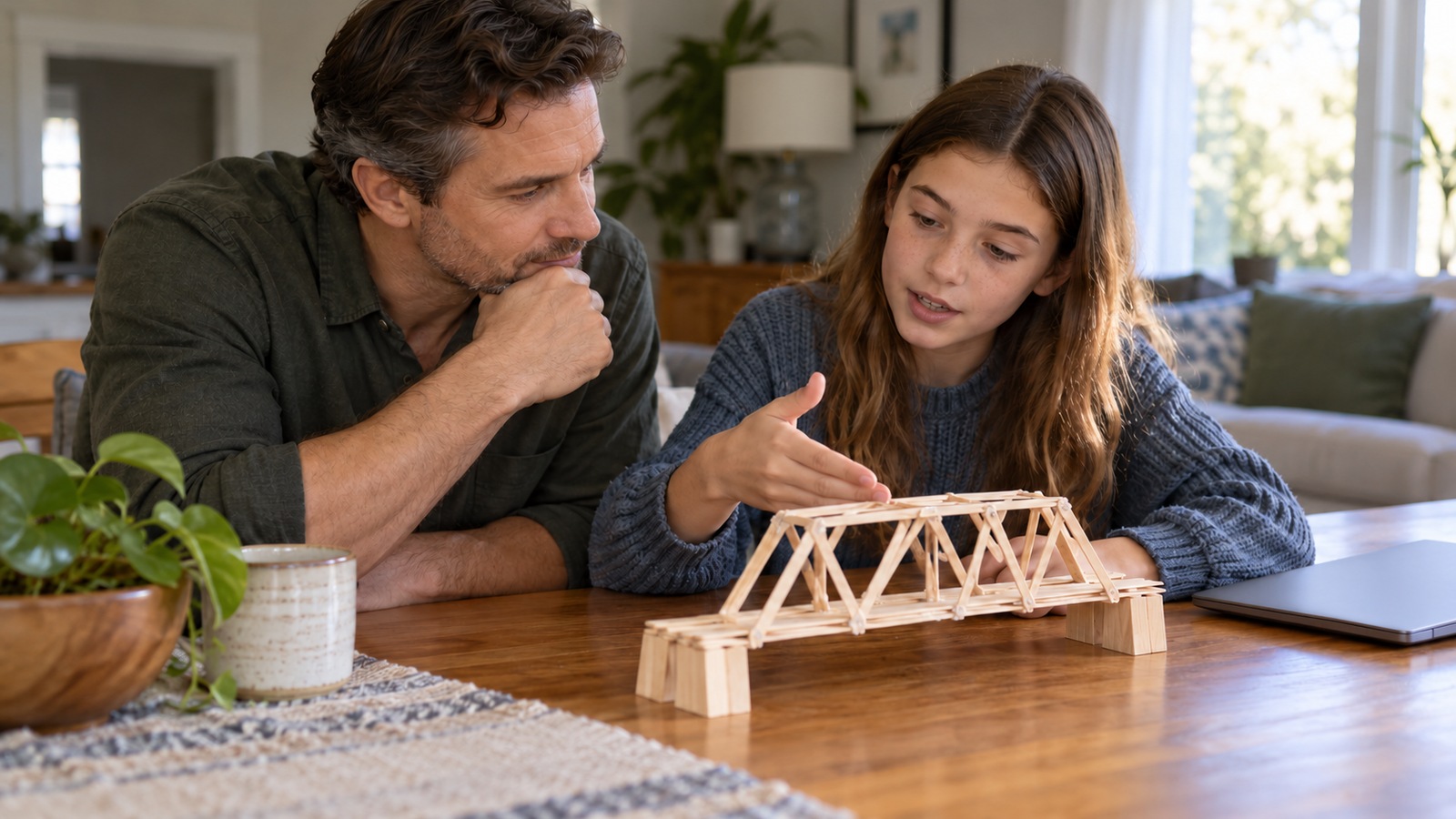
Ask which concepts and skills the project develops, how individual learning is checked, and what children are expected to do at home. A project should not quietly become a competition among adults with different time and resources. Useful design gives students a fair opportunity to contribute and enough instruction to do more than assemble an attractive presentation.
10. Wellbeing Considered Alongside Academic Demands
Schools may reconsider workload, transitions, belonging, and access to support as part of the learning environment. Attention to wellbeing should translate into specific practices rather than a promise that school will never be difficult. Children can face challenging work while having predictable help and respectful relationships. Parents can contribute observations about sleep, distress, avoidance, or changes in participation, without assuming that every difficult day indicates a clinical problem. Ask who coordinates support and how classroom expectations are adjusted when a child is struggling. A thoughtful approach preserves meaningful learning while making it more possible for the child to engage.
11. Learning Through Physical Experience and Place
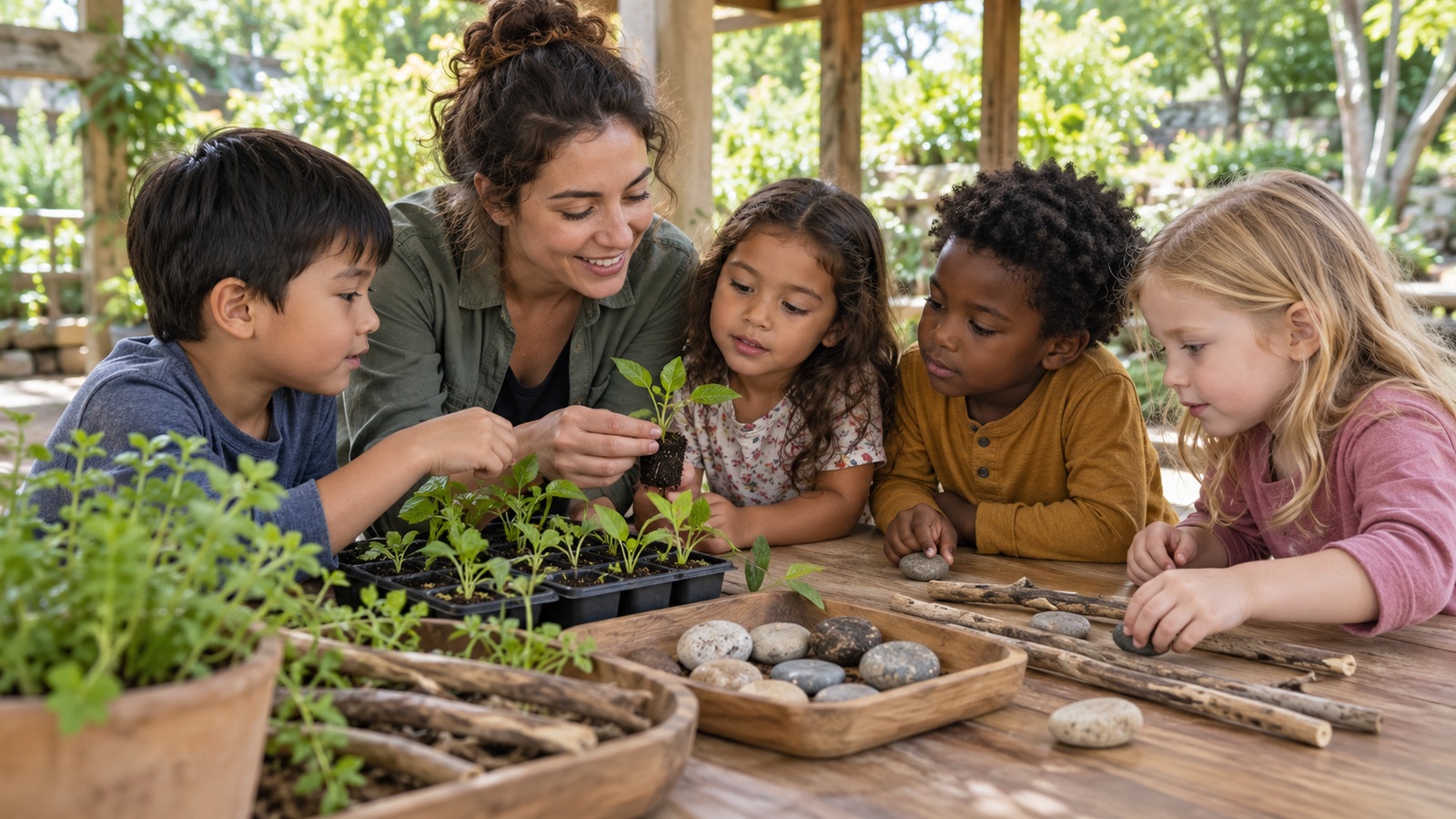
Outdoor observations, movement, practical materials, and local environments can make ideas tangible. A child may understand measurement differently after using it to plan a garden bed or compare objects in a real space.
These experiences need an instructional purpose and suitable arrangements for safety and accessibility. Being outside or using materials does not automatically make an activity educational.
Ask what the class is investigating and how students connect the experience with language, knowledge, or a skill. At home, ordinary observations can extend curiosity without becoming another formal lesson. The valuable direction is a connection between experience and understanding, with room for children who need different ways to participate.
12. Family Communication That Leads to Action
New communication systems may deliver frequent updates, but volume is not the same as clarity. Parents need to know which information requires action, where important decisions are recorded, and how to reach a person when a message is unclear. Too many overlapping channels can make essential information harder to find.
Look for a school approach that respects families’ languages, access needs, and time. A useful update explains the learning purpose or next step rather than only reporting completed activities. Families can ask for a manageable route through the information without expecting teachers to provide constant individualized commentary.
13. Broader Exposure to Work and Community Roles
Schools may connect subjects with community projects, visiting professionals, or examples of work beyond familiar occupations. For children, the benefit is exploration and understanding, not pressure to choose a lifelong career early. Ask whether the experiences reflect varied roles and avoid stereotypes about who belongs in them. A practical activity can show how reading, mathematics, cooperation, or design appears in everyday work. Parents can extend the discussion by asking what surprised the child and which skills they noticed. Keep opportunity broad enough that a temporary interest does not become a fixed identity the child feels obliged to maintain.
14. Teacher Collaboration as Part of Innovation
New approaches are easier to evaluate when educators can plan, discuss student work, and learn from one another. A school may need time and structures for that collaboration rather than another isolated product demonstration. Parents can ask how staff are supported in making a proposed change work.
Collaboration should remain connected to student learning. Teachers may compare explanations, identify common difficulties, or adjust activities after examining actual work. Families do not need access to private staff conversations to ask whether professional learning is part of the implementation plan. Sustainable change depends on people being able to exercise judgment together.
15. More Demanding Evaluation of Educational Claims
Families will continue hearing that a new method or tool improves outcomes. Ask which learners, outcomes, conditions, and comparison are represented by the evidence. A promising result in one context does not guarantee the same effect everywhere. Schools should define what success would look like locally and review whether the change earns its costs and burdens. Parents can contribute concrete observations about participation, understanding, and access while keeping broad claims separate from their child’s experience. The future worth watching is education that can explain its choices, learn from evidence, and revise a plan when results do not match the promise.
Turn the Watchlist Into One Useful Conversation
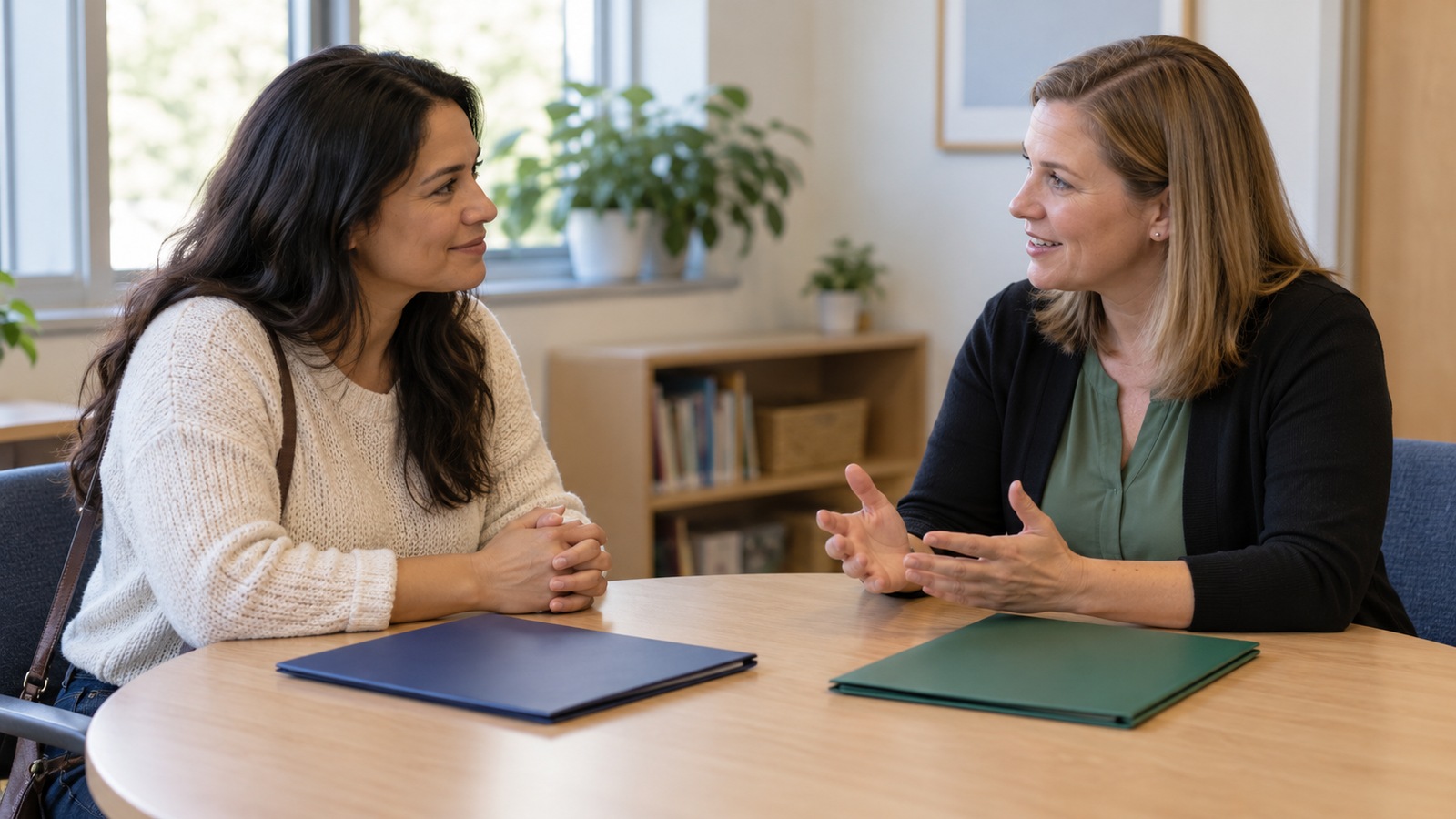
You do not need to investigate fifteen directions at once. Begin with the change your child is experiencing now, ask for its learning purpose, and identify the person who can explain the plan. Review one concrete example after the child has used the approach. A focused conversation is more likely to produce a practical adjustment than an argument about the entire future of schooling.
Notice whether your child can explain the purpose too. Their account may reveal a mismatch between the stated goal and the activity they actually experienced. Share that specific difference with the teacher and ask what adjustment would make the learning clearer.