
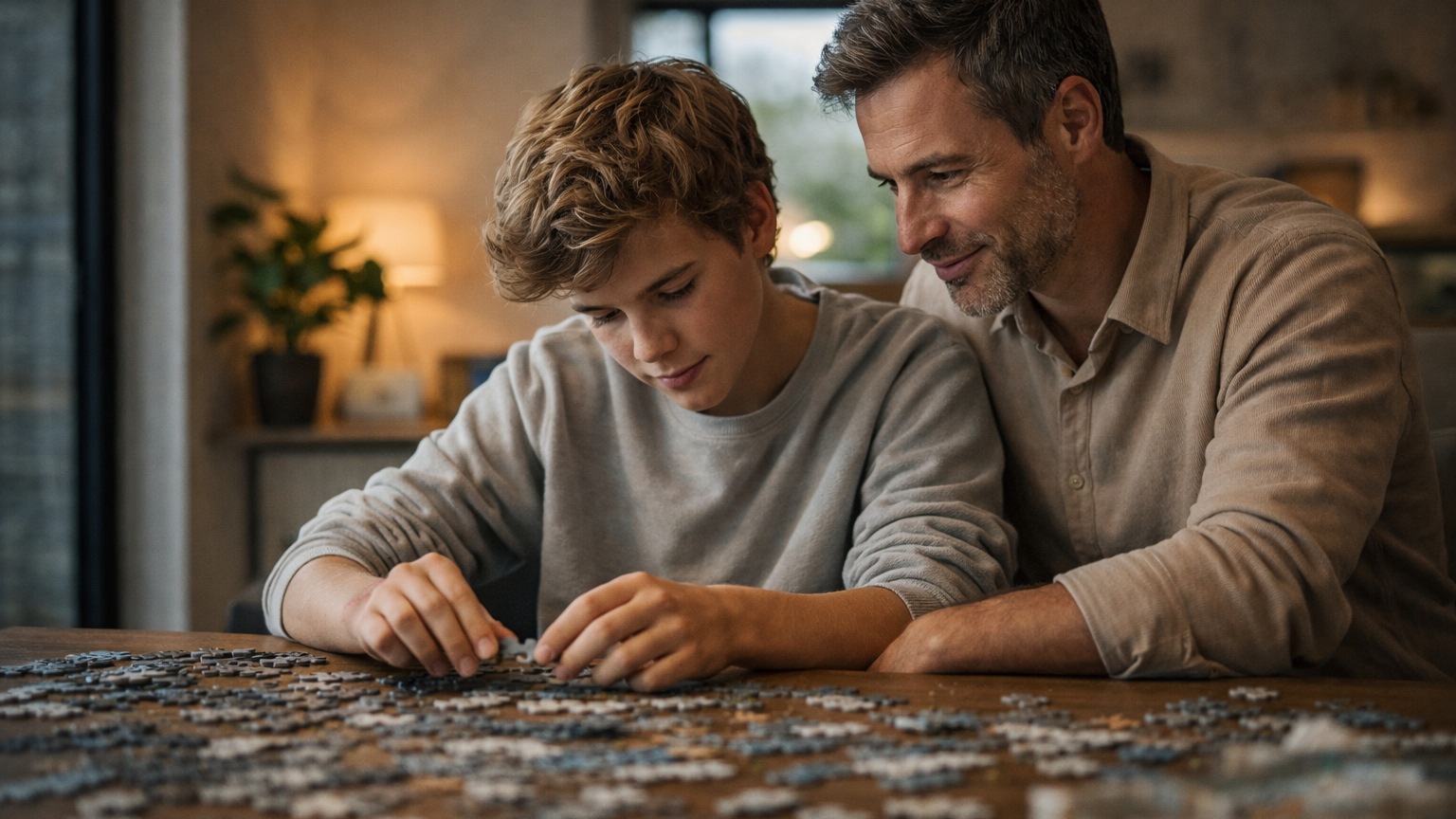
Resilience isn’t something kids are born with—it’s something they build, moment by moment, through challenges, setbacks, and small everyday wins. In the world of parenting, nurturing a growth mindset means helping children see effort as power, mistakes as teachers, and persistence as a lifelong advantage. This section of Parent Streets dives into the real strategies, insights, and stories that help families turn frustration into fuel and obstacles into opportunity. Here, you’ll explore how to guide children through disappointment without fear, encourage curiosity over perfection, and create environments where confidence grows naturally. From handling school pressures to navigating social struggles, every article is designed to equip you with practical tools that strengthen emotional resilience and long-term thinking. Because resilience isn’t just about bouncing back—it’s about growing forward. And when children learn to believe in their ability to improve, adapt, and overcome, they don’t just face the world—they shape it.
A: It is the belief that skills and abilities can improve with effort, learning, and practice.
A: It often looks like recovering from setbacks, adjusting after disappointment, and trying again.
A: Stay supportive, allow safe challenges, and talk through problems instead of solving everything immediately.
A: Effort, strategies, and persistence are especially helpful because they reinforce growth-focused habits.
A: Not always; manageable frustration can help children build patience and problem-solving skills.
A: Try adding “yet” and guide them toward one smaller next step.
A: Yes, it can be developed through modeling, practice, encouragement, and supportive routines.
A: Normalize mistakes, share your own learning moments, and focus on progress instead of perfection.
A: No, resilience includes recognizing emotions and handling them in constructive ways.
A: End the day by asking, “What was hard today, and what did we learn from it?”