
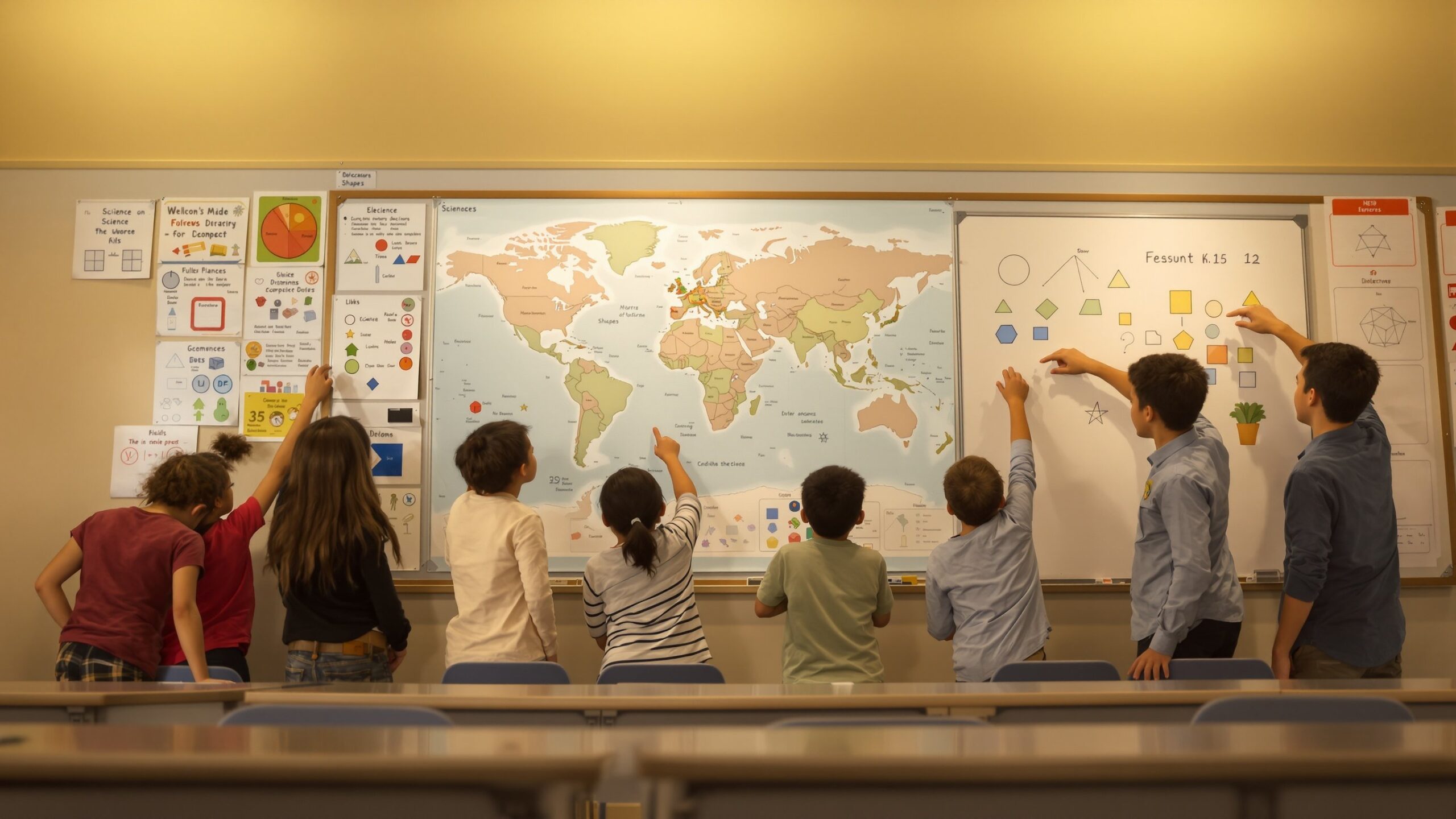
Educational Visual Libraries are where learning comes to life through images, diagrams, charts, and visual storytelling that make complex ideas easy to understand and exciting to explore. On Parent Streets, this collection is designed to help parents, caregivers, and educators unlock the power of visual learning—turning abstract concepts into clear, memorable experiences for children of all ages. From colorful infographics that break down child development stages to interactive visual guides on communication, emotions, and learning milestones, these libraries are built to inspire curiosity and spark meaningful conversations at home and in the classroom. Visual tools help children grasp ideas faster, support different learning styles, and make education more engaging and inclusive. Whether you’re looking for printable charts, concept maps, visual timelines, or creative learning visuals, this hub offers a growing gallery of resources designed to educate, empower, and delight. Explore, share, and transform learning into a visually rich journey for your family.
A: A simple “First–Then” card plus a 3-step routine chart for the hardest daily transition.
A: Both works well—pictures for quick recognition, words for reading practice and consistency.
A: If it feels noisy, it is—start with 3–5 high-impact pieces and expand slowly.
A: Yes—use cleaner designs: checklists, flowcharts, and decision trees that respect maturity.
A: Practice it during calm moments, model it yourself, and pair it with a quick, consistent routine.
A: Absolutely—use a “conflict steps” strip and a repair script that both kids can follow.
A: Use warm, minimal designs and place them only where the task happens (bathroom, entryway, desk).
A: Swap examples, not structure—keep the same steps and icons, just refresh the pictures as needs change.
A: Laminate high-touch items (routines, calm menus); use sleeves for anything you’ll change often.
A: Use clear images, simple language, high contrast, and multiple formats (cards, posters, checklists).