
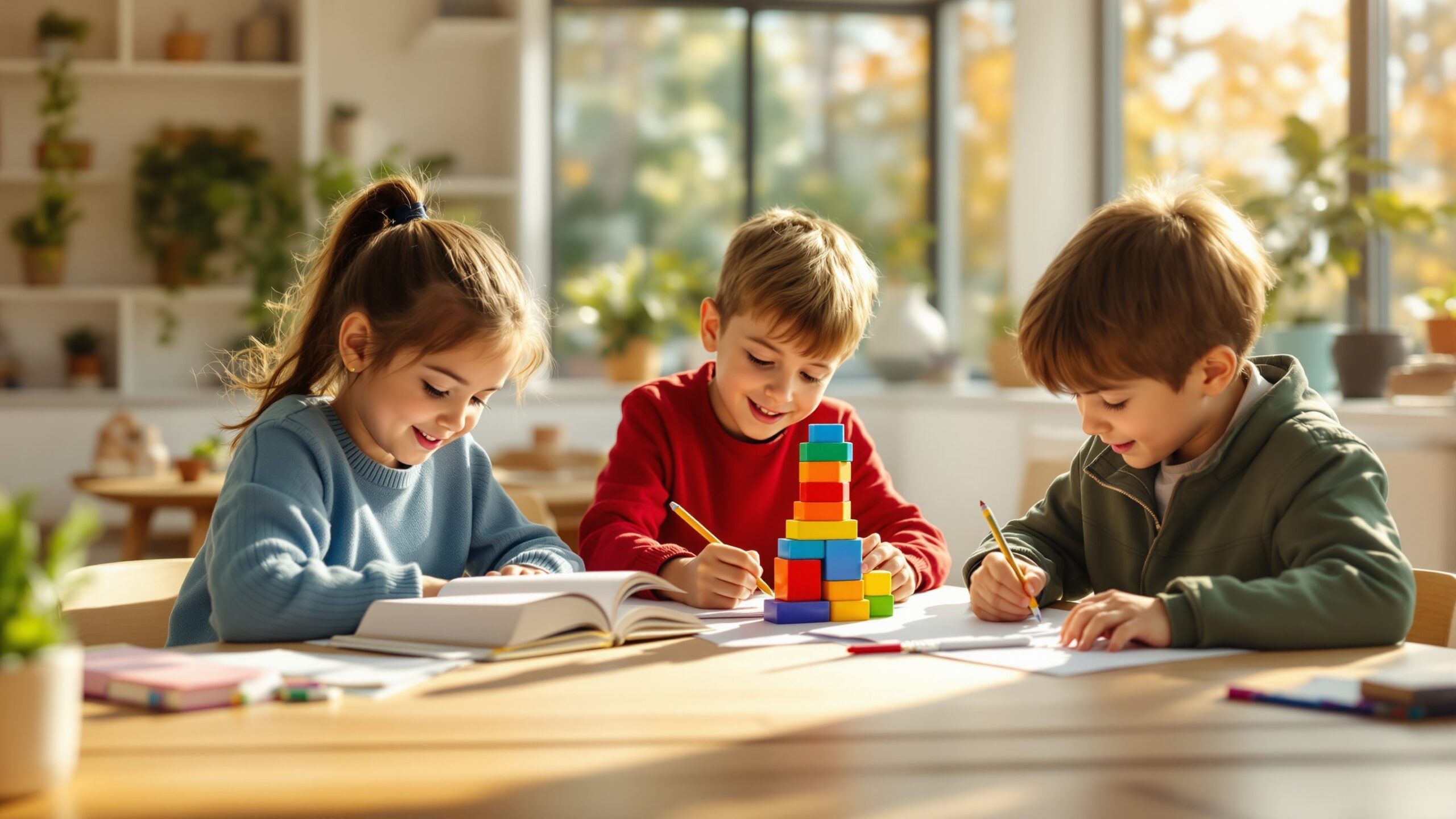
School-age learning is a time of discovery, confidence-building, and rapid intellectual growth. In the School-Age Learning Pathways hub on Parent Streets, we explore the many ways children develop curiosity, problem-solving skills, and a lifelong love of learning during their elementary and middle school years. This stage is about more than homework and report cards—it’s where imagination meets structure, and where children begin shaping how they think, explore, and understand the world around them. Within this collection of articles, parents will discover ideas, strategies, and insights designed to support growing learners both in and out of the classroom. From developing strong reading and math foundations to encouraging creativity, critical thinking, and independent learning habits, these pathways highlight how everyday experiences can become powerful learning opportunities. You’ll also find guidance on supporting different learning styles, building confidence, nurturing curiosity, and helping children stay motivated as academic expectations grow. Whether your child thrives with hands-on exploration, structured routines, or creative discovery, these resources are designed to help families guide learning in ways that feel natural, engaging, and inspiring. Because every child’s learning journey is unique—and the possibilities for growth are endless.
A: Support understanding and structure, but let kids do as much of the work independently as they can.
A: Try high-interest books, audiobooks, shared reading, and shorter sessions that feel successful.
A: Not necessarily; playful, practical, and conversational learning can be just as valuable.
A: Use routines, checklists, and repeated practice so children can manage tasks step by step.
A: Slow progress is still progress; adjust the approach, offer support, and focus on steady growth.
A: No; quality, timing, and balance matter more than treating every screen the same.
A: Watch for shutdowns, frustration, avoidance, tears, or unusual fatigue during learning tasks.
A: A quiet, comfortable, well-lit area with simple supplies and minimal distractions works well.
A: Use games, real-world activities, shared reading, projects, and topics the child genuinely enjoys.
A: To help children grow into capable, curious, confident learners at school and at home.