
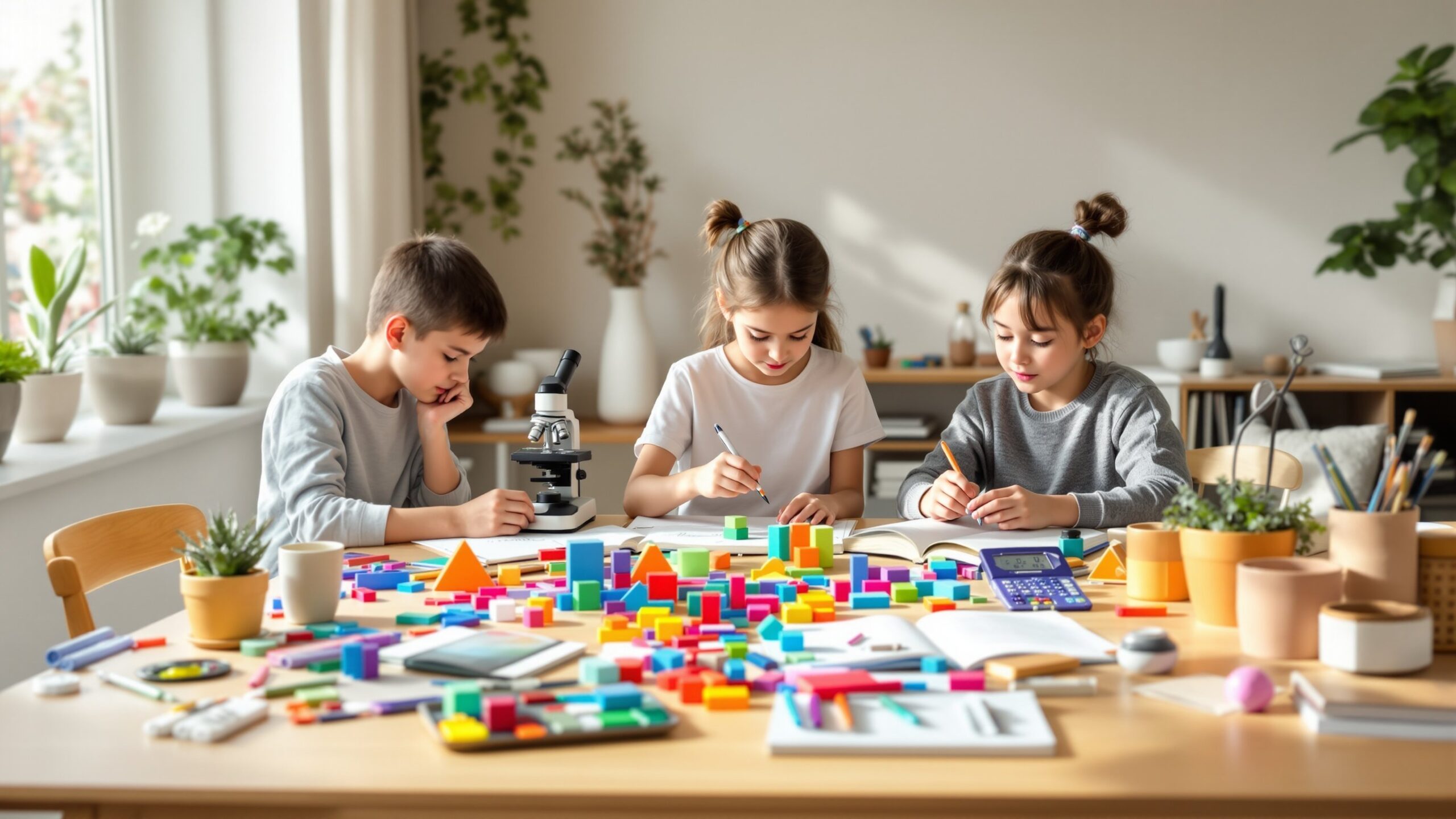
Creativity is more than paint, music, or imaginative play—it’s one of the most powerful engines of cognitive development in a child’s life. When children invent stories, experiment with ideas, build strange new creations, or ask endless “what if” questions, their brains are actively strengthening the skills that drive learning, curiosity, and problem-solving. Creativity fuels flexible thinking, encourages exploration, and helps young minds connect ideas in ways that traditional instruction alone often cannot. In today’s fast-moving world, nurturing creativity is essential for raising confident, adaptable thinkers. From artistic expression and imaginative play to creative problem-solving and curiosity-driven discovery, every creative experience strengthens memory, language development, emotional intelligence, and critical thinking skills. These moments of exploration help children learn how to innovate, collaborate, and approach challenges with confidence. In this section of Parent Streets, you’ll discover inspiring articles, ideas, and insights designed to help parents spark creativity while supporting healthy cognitive growth. Explore playful learning strategies, engaging activities, and expert perspectives that reveal how creativity shapes the developing brain—and how everyday moments can become powerful opportunities for learning, imagination, and lifelong curiosity.
A: Add small prompts (“What could we try next?”) and follow their lead—play first, teach lightly.
A: Break tasks into tiny steps, model calm retries, and praise effort + strategy, not speed.
A: Not always—choose creation-focused use (making, designing) and balance with hands-on play.
A: Conversation—ask open questions and give “wait time” so they can form their own ideas.
A: Normalize drafts, celebrate revisions, and set “messy practice” time with low stakes.
A: Cooking steps, scavenger hunts, board games, building challenges, and cleanup “missions.”
A: Reframe: creativity is a skill. Offer choices and simple starting points to build confidence.
A: Use short rituals: a 10-minute “make something” window or a bedtime story remix.
A: Use open-ended materials with optional “levels,” so each child adds complexity at their pace.
A: Add a constraint (“quiet museum mode,” “only whispers,” “build using 8 pieces”) to refocus.