

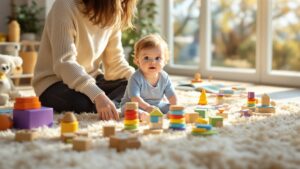
Early Learning Foundations
Early childhood is a time of remarkable discovery, where curiosity grows quickly and every new experience helps shape how children understand the world. Early Learning Foundations explores the essential building blocks that support healthy development during these critical years. From language and communication to creativity, emotional awareness, and problem-solving skills, early learning lays the groundwork for a lifetime of curiosity and confidence. In this section of Parent Streets, you’ll discover

School-Age Learning Pathways
School-age learning is a time of discovery, confidence-building, and rapid intellectual growth. In the School-Age Learning Pathways hub on Parent Streets, we explore the many ways children develop curiosity, problem-solving skills, and a lifelong love of learning during their elementary and middle school years. This stage is about more than homework and report cards—it’s where imagination meets structure, and where children begin shaping how they think, explore, and understand the
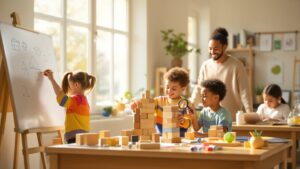
Learning Styles & Neurodiversity
Every child experiences the world—and learning—in their own unique way. Some children absorb information best through movement and hands-on exploration, while others thrive when ideas are visual, auditory, or story-driven. For many families, understanding these differences opens the door to stronger confidence, better communication, and more joyful learning experiences at home and in school. Welcome to Learning Styles & Neurodiversity, a space on Parent Streets dedicated to exploring the many

Homework & Study Systems
Homework time doesn’t have to feel like a nightly battle between kids, parents, and unfinished assignments. With the right systems in place, homework can become a smoother, more focused part of the day that builds confidence, independence, and real learning habits. Homework & Study Systems are the strategies, routines, and tools that help students stay organized, manage their time, and approach schoolwork with clarity instead of stress. In this section

Educational Psychology
Educational Psychology opens the door to understanding how children truly learn, grow, and thrive. It blends insights from psychology, neuroscience, and classroom research to uncover what helps young minds absorb information, stay motivated, and develop confidence in their abilities. For parents, this field offers powerful tools for supporting learning at home and recognizing the unique ways each child processes the world around them. In this section of Parent Streets, we

Homeschooling & Alternative Education
Homeschooling and alternative education are reshaping the way families think about learning. Instead of following a single traditional path, more parents are exploring flexible, personalized approaches that match their child’s curiosity, pace, and passions. From kitchen-table lessons and nature-based learning to online academies and hybrid community programs, homeschooling opens the door to an education designed around real life. In this section of Parent Streets, you’ll discover ideas, insights, and practical
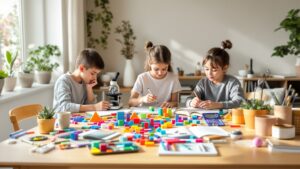
Creativity & Cognitive Development
Creativity is more than paint, music, or imaginative play—it’s one of the most powerful engines of cognitive development in a child’s life. When children invent stories, experiment with ideas, build strange new creations, or ask endless “what if” questions, their brains are actively strengthening the skills that drive learning, curiosity, and problem-solving. Creativity fuels flexible thinking, encourages exploration, and helps young minds connect ideas in ways that traditional instruction alone

Learning Tools & Resources
Learning doesn’t just happen in classrooms—it unfolds through the tools, resources, and creative environments that surround a child every day. Learning Tools & Resources explores the wide world of materials, platforms, and strategies that help children discover, practice, and master new skills. From hands-on manipulatives and engaging educational games to powerful digital apps, curriculum guides, and creative learning kits, the right tools can transform curiosity into confidence. On this page,
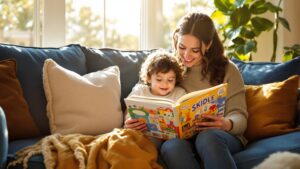
Parenting & Literacy
Parenting & Literacy is where curiosity, imagination, and lifelong learning begin. In homes filled with stories, conversations, and shared discovery, literacy becomes more than just reading words on a page—it becomes a powerful bridge between parents and children. From bedtime story rituals and playful word games to early reading strategies and creative writing adventures, this section explores the many ways families can nurture strong language skills and a love of

Future Learning Trends
The future of learning is evolving faster than ever—and today’s parents are standing at the front row of an exciting educational revolution. Future Learning Trends explores the powerful ideas, tools, and teaching approaches shaping how children will learn in the years ahead. From AI-powered tutoring platforms and immersive virtual classrooms to personalized learning pathways and creativity-driven education models, the next generation of learning is becoming more flexible, engaging, and tailored