
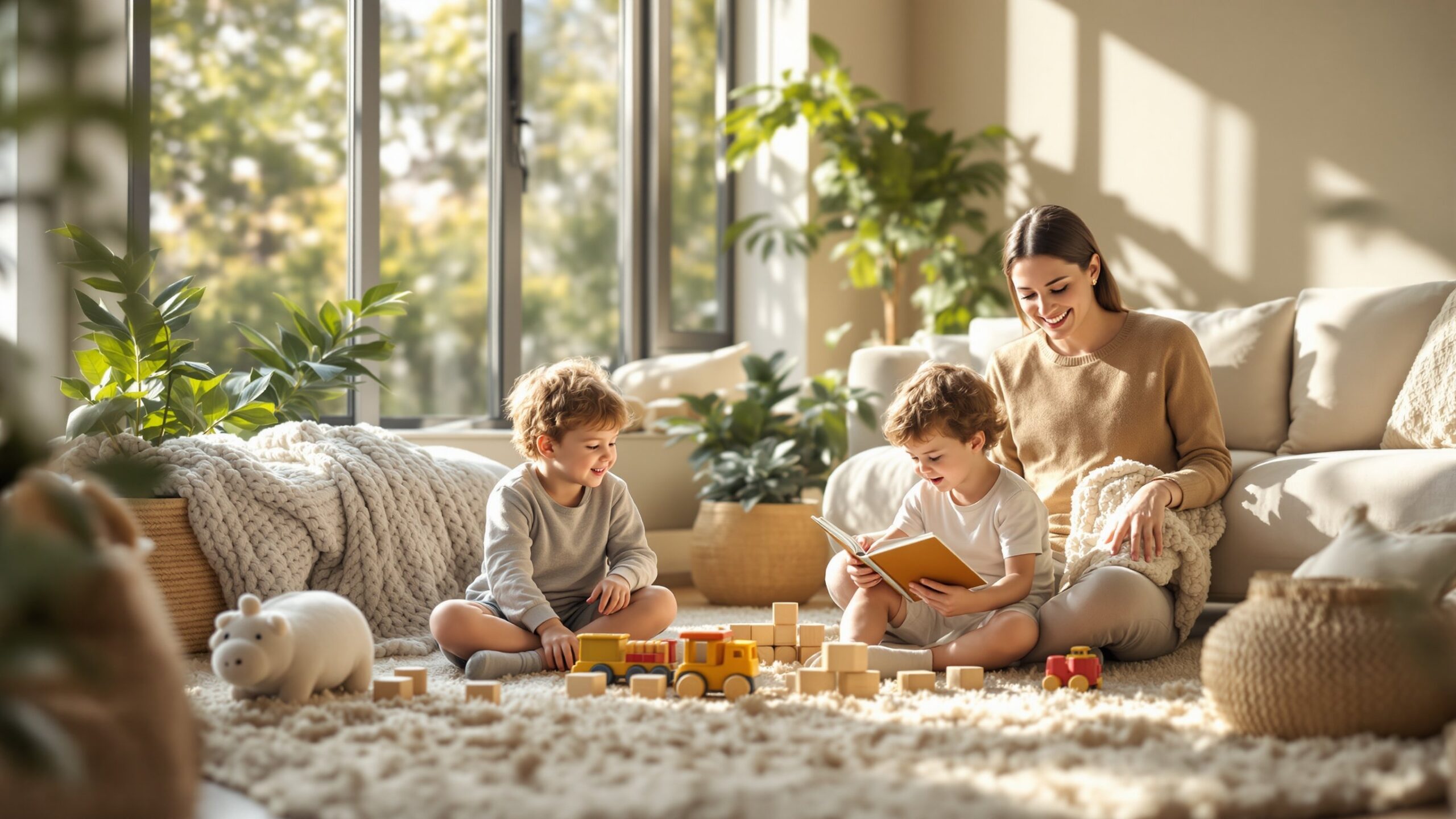
Holistic & Integrative Parenting is all about seeing the bigger picture of childhood. Instead of focusing on just one aspect of development, this approach brings together emotional wellness, physical health, learning, family connection, and mindful living into a balanced parenting philosophy. It recognizes that children thrive when their environment supports not only their bodies, but also their curiosity, creativity, confidence, and sense of belonging. On this Parent Streets hub, you’ll discover inspiring ideas and practical insights that help families nurture the whole child. From nutrition and sleep habits to emotional resilience, nature play, mindful routines, and positive communication, holistic parenting encourages thoughtful choices that support long-term wellbeing. It blends time-tested wisdom with modern science, giving parents flexible tools that adapt to real family life. Whether you’re exploring calmer daily routines, healthier lifestyle habits, or deeper family connections, Holistic & Integrative Parenting opens the door to a more intentional way of raising children. The articles in this section highlight approaches that support balanced growth, helping kids develop strong minds, healthy bodies, and compassionate hearts while families grow stronger together.
A: It is an approach that supports a child’s physical, emotional, mental, and environmental wellbeing together.
A: It means combining healthy daily habits with thoughtful, evidence-informed wellness strategies and professional care when needed.
A: No, it usually means supporting children with healthy lifestyle tools alongside appropriate medical guidance.
A: Start with basics like sleep, nutrition, movement, routine, and calmer family communication.
A: It can help parents look at root influences like stress, sleep, transitions, and emotional regulation.
A: Not necessarily—many strategies involve routines, nature time, meal habits, and connection rather than costly products.
A: Reduce overstimulation, create predictable rhythms, and make space for rest, play, and calm-down routines.
A: Focus on small changes like a better bedtime routine, one shared meal, or a simple daily check-in.
A: Yes, the principles can be adapted for babies, toddlers, school-age kids, and teens.
A: To raise children in a way that supports long-term wellbeing, connection, resilience, and whole-family balance.