
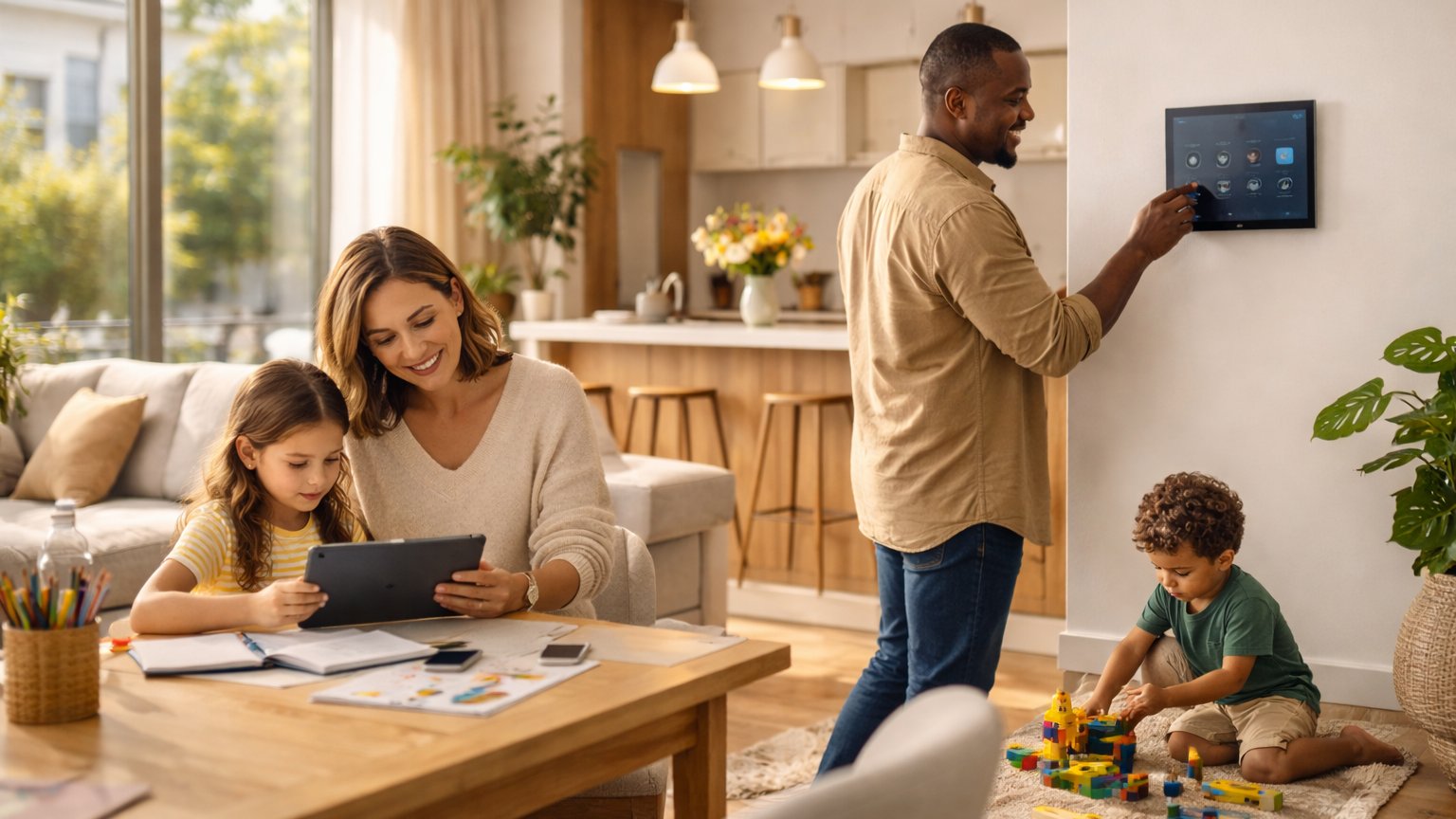
The future of family life is unfolding faster than ever—shaped by technology, shifting values, and a reimagining of what connection truly means. Today’s families are navigating a world where smart homes anticipate needs, artificial intelligence supports parenting decisions, and digital experiences blend seamlessly with everyday routines. Yet beyond the innovation lies something deeper: a renewed focus on emotional intelligence, balance, and intentional living. As work, education, and home life continue to evolve, families are redefining structure, communication, and togetherness. Multi-generational households are rising, flexible lifestyles are becoming the norm, and children are growing up in a globally connected environment that expands both opportunity and complexity. The challenge—and the excitement—lies in building meaningful relationships within this dynamic landscape. In this space, you’ll explore the trends, ideas, and breakthroughs shaping tomorrow’s families. From emerging parenting philosophies to future-ready homes and digital wellness, this is where insight meets inspiration—helping you understand not just where family life is going, but how to thrive as it transforms.
A: It refers to how parenting, home routines, relationships, and support systems are changing over time.
A: No. It may support family life, but connection, boundaries, and communication still matter most.
A: Not at all. They also include emotional health, shared responsibilities, flexible routines, and changing family structures.
A: Focus on small systems that improve communication, adaptability, and daily stability.
A: In some ways yes, but better tools and more intentional routines can also make life smoother.
A: Resilience, empathy, digital literacy, flexibility, and strong communication are likely to be key.
A: No. Healthy family life can take many forms depending on values, needs, and support systems.
A: Extremely important. Emotional well-being is becoming a major part of everyday family decisions.
A: Yes. Consistent routines help children feel secure even when the outside world feels unpredictable.
A: Build habits of open communication, because strong connection helps families handle change together.