
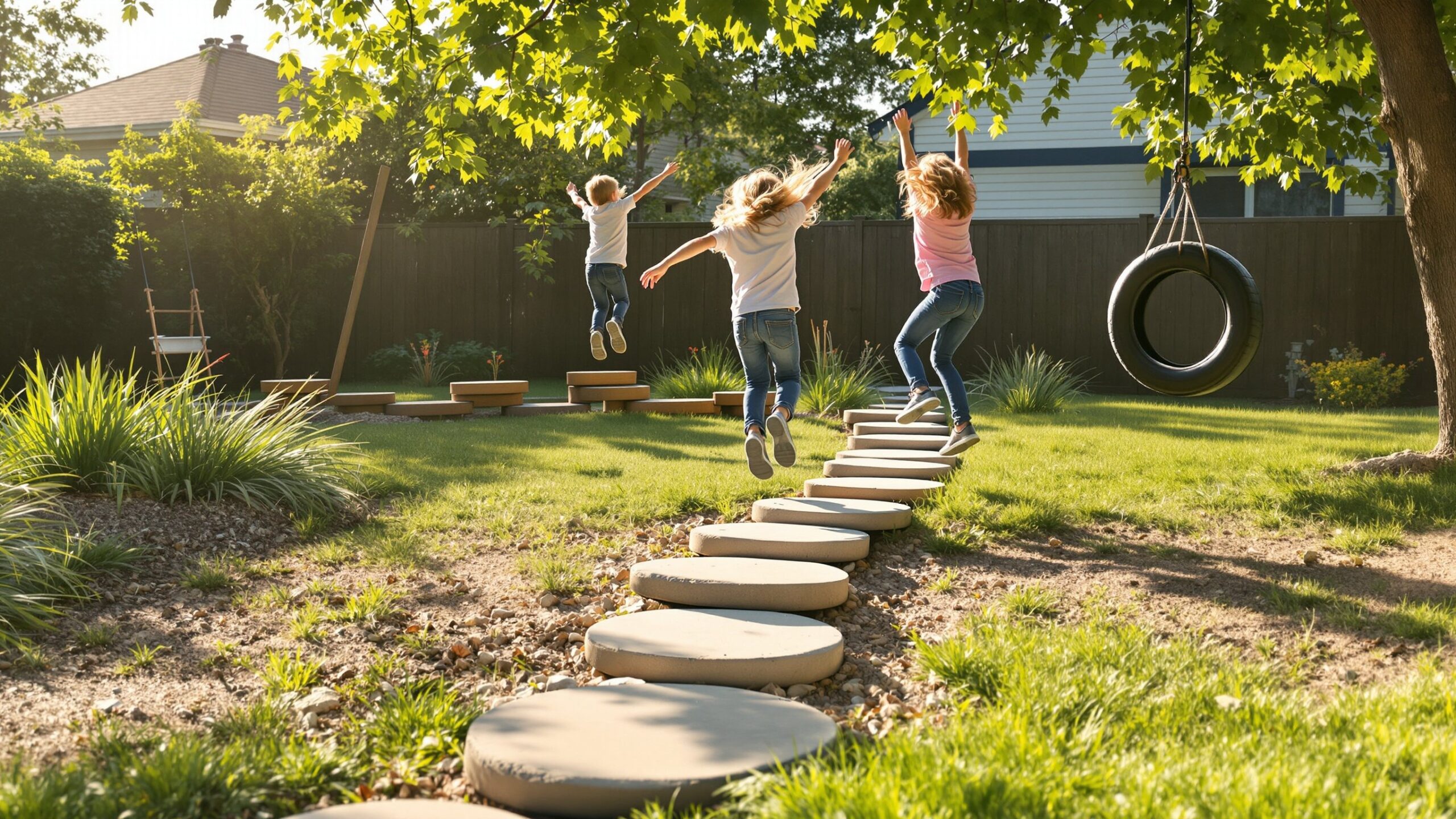
Physical activity is one of the most powerful ways children explore the world, build confidence, and develop the skills their bodies will rely on for a lifetime. From first wobbly steps to climbing, throwing, balancing, and sprinting across a playground, movement shapes how kids grow, learn, and interact with their environment. The Physical Activity & Motor Skills hub on Parent Streets is designed to help parents understand and support these critical stages of development. Here, you’ll discover articles that break down how gross motor skills like running, jumping, and coordination evolve alongside fine motor skills such as gripping, drawing, and hand control. You’ll also find ideas for fun activities that encourage movement, guidance on building healthy exercise habits early, and expert-backed insights into how play fuels brain development, confidence, and social skills. Whether you’re helping a toddler master balance, encouraging an active school-age child, or simply looking for creative ways to keep kids moving, this section offers practical inspiration and trusted guidance. Explore new ideas, discover developmental milestones, and learn how everyday play can unlock stronger bodies, sharper minds, and happier, healthier kids.
A: They are large body movements like running, jumping, climbing, balancing, and kicking.
A: They involve smaller hand and finger movements used for drawing, gripping, buttoning, and stacking.
A: Try dance breaks, obstacle courses, ball play, active games, and short movement challenges throughout the day.
A: Yes, it adds variety, fresh air, and more natural chances to run, climb, balance, and explore.
A: Children develop at different speeds, so look for gradual progress and offer supportive, low-pressure practice.
A: No, free play, playground time, and simple family activities can also build strong movement skills.
A: Balance supports posture, coordination, stability, and confidence in many everyday activities.
A: Yes, quick stretch sessions, dance songs, and active mini-games are easy ways to reset energy.
A: Repetition helps children strengthen muscles, refine coordination, and feel more secure trying new movements.
A: Focus on making movement enjoyable, regular, age-appropriate, and part of everyday family life.