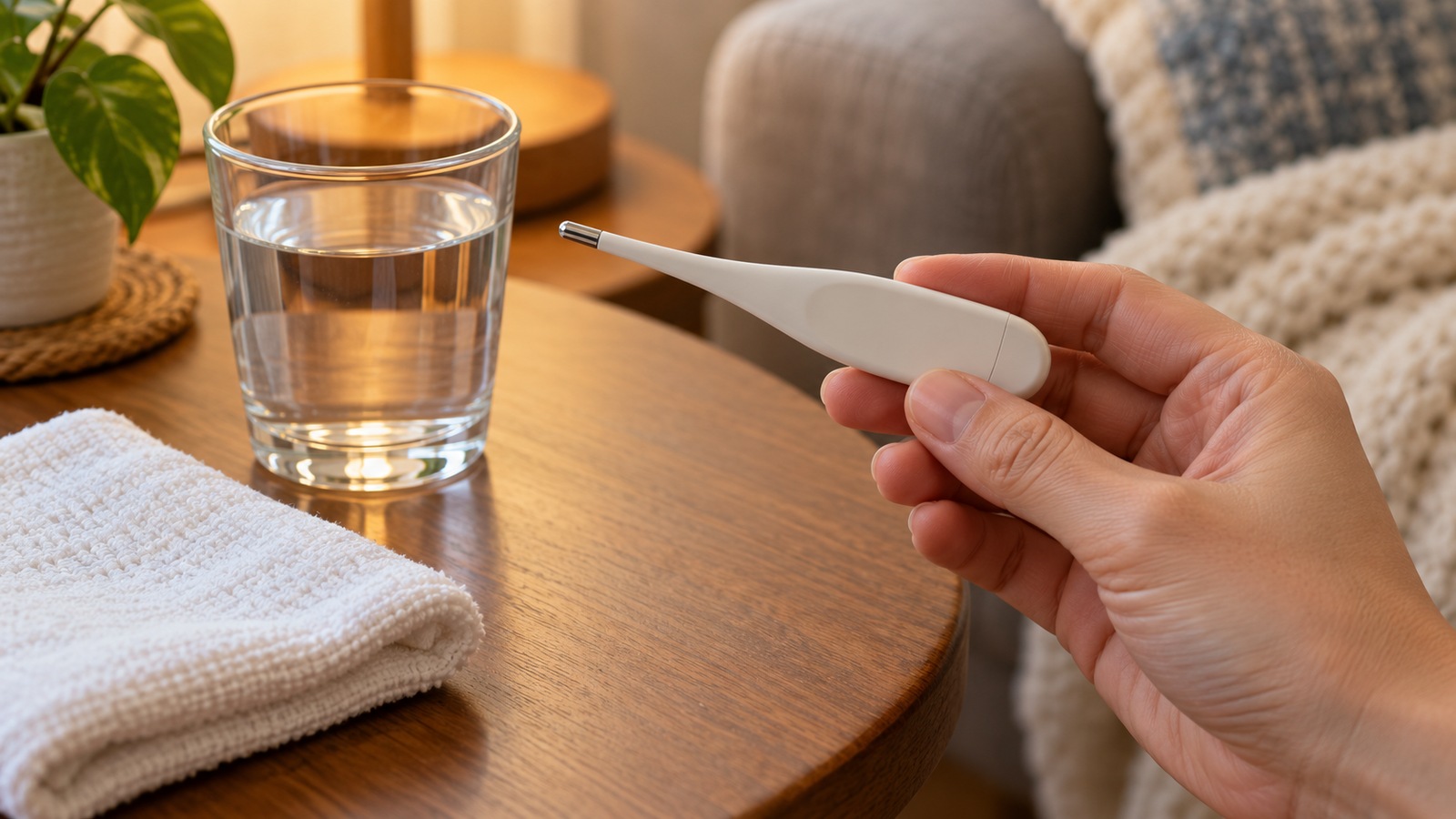
Use the Temperature Reading to Guide a Wider Assessment
A thermometer gives you a number, while caring for a feverish child requires attention to the whole child. Age, breathing, responsiveness, drinking, pain, and the course of the illness all affect what should happen next. A baby three months old or younger with a rectal temperature of 100.4°F (38°C) or higher needs immediate medical contact and prompt assessment; do not wait for medicine to change the reading. At any age, severe breathing difficulty, unresponsiveness, or another apparent life-threatening emergency calls for 911 in the United States or your local emergency number. For a child without emergency signs, the pediatric care team can help you decide whether home observation or an examination is appropriate. The practical goal is a clear plan for comfort, monitoring, and reassessment, with instructions suited to your child’s age and medical circumstances.
A: No. Fever does not identify its cause or determine treatment by itself.
A: Touch can prompt a check but is not a precise temperature measurement.
A: Do not improvise a conversion; report the actual method and reading.
A: No. Age, symptoms, functioning, and medical history guide urgency.
A: Very young babies can need urgent evaluation despite initially modest-looking symptoms.
A: Only if the child's doctor directs it.
A: Keep clothing and bedding comfortable without excessive wrapping.
A: Seek assessment based on the child's condition; the lower reading is not sufficient reassurance.
A: Use one accurate record that all caregivers check.
A: Clarify the monitoring, warning signs, and after-hours care route appropriate to the child.
What a Fever Does and Does Not Explain
Fever commonly accompanies the body’s response to an illness, but it is a sign rather than a diagnosis. The same temperature can occur in children with different causes and different care needs. A reading alone cannot tell you whether an infection is viral or bacterial, whether an antibiotic is needed, or whether a child is safe to observe at home. For a routine call, give a short sequence: ‘Age six; measured orally at 6 p.m.; drinking less but urinated this afternoon; awake and talking.’ Report the temperature as well, then describe what changed. Ask when the child needs assessment and which changes require earlier help. If the child’s condition becomes an emergency, abandon the routine call sequence and use emergency services.
A temperature around 100.4°F (38°C) is commonly used to identify fever, with interpretation also depending on the measurement method and the child’s age. Explain how you measured it when seeking advice. Avoid treating every small variation as a new medical event, while remaining alert to important changes in the child’s condition. The NHS page High Temperature (Fever) in Children combines temperature information with guidance on comfort and warning signs. Its service numbers and care pathways apply to the United Kingdom. This article uses U.S. pediatric contact and emergency routes unless a passage explicitly says otherwise.
Why Young Infants Need a Different Response
A very young baby’s illness can require prompt assessment even when the symptoms initially look modest. For a baby three months old or younger with a rectal temperature of 100.4°F (38°C) or higher, contact the pediatrician immediately and arrange prompt medical evaluation. If you cannot promptly reach the team, seek an appropriate emergency assessment, especially for a newborn. Do not give fever medicine as a way to decide whether the baby needs to be seen. The MedlinePlus guide to fever in babies emphasizes contacting the provider for young infants and before giving medicines under three months. Report the exact age, reading, measurement method, feeding changes, and other concerns. A baby who seems unwell without a documented fever also deserves timely medical advice. The absence of a recorded high number does not make a concerning change in feeding, responsiveness, or breathing safe to ignore.
Measure Consistently and Explain the Method
Use a suitable thermometer according to the device’s instructions and the child’s clinician’s advice. Different methods have different limitations, especially in very young children. Ask which approach is appropriate for your child’s age rather than assuming that the easiest device gives interchangeable results.
Record the time, temperature, and measurement site when the information will help a care conversation. Do not add or subtract a fixed amount to invent a conversion between sites. If two measurements differ, explain the uncertainty and what you observed about the child.
Feeling warm can prompt you to check a temperature, but touch is not a precise measurement. Equally, repeated measuring should not distract you from an obvious emergency or become the only activity in the care plan. If the child is having severe trouble breathing or is unresponsive, get emergency help immediately instead of searching for a more reliable thermometer.
Assess Breathing, Alertness, and Hydration
Look at how the child breathes and responds. Unusual work around the ribs or neck, difficulty drinking because of breathlessness, or a significant change in responsiveness needs prompt assessment. Severe breathing difficulty, blue or gray lips or tongue, or unresponsiveness requires emergency help. Do not assume that fever alone accounts for every change you see.
Consider fluid intake together with urination. A child drinking poorly, repeatedly vomiting, or having markedly fewer wet diapers or toilet trips may need medical advice about hydration and assessment. Describe what has changed from normal, rather than waiting for a particular list of signs to be complete. A child can become more unwell while the thermometer reading stays similar or falls. Make the overall change clear when contacting the care team, and follow individualized instructions for any chronic condition that changes illness risk.
Focus Comfort Care on the Child’s Needs
When home care is appropriate, offer rest, suitable fluids, and a comfortable environment. Continue usual feeding support appropriate to the child’s age and the clinician’s guidance. A child who wants quiet companionship may need less activity, while another may have periods of comfortable play. Avoid forcing food simply because intake is temporarily lower, and seek advice if drinking or feeding becomes concerning. Keep clothing and bedding comfortable without excessive bundling. Do not use alcohol rubs or harsh cooling methods in an attempt to force a normal number. Ask the pediatric team what comfort measures fit the child’s circumstances, especially for infants or children with additional medical needs. Comfort care does not replace reassessment when symptoms change, and a child who looks significantly unwell needs attention even if a medicine appears to lower the fever.
Ask Medicine Questions Before Giving a Dose
If medicine is appropriate, use a product suitable for the child’s age and follow the correct dosing instructions from the clinician or product guidance. The concentration and the child’s weight can matter. Use the proper measuring device and keep the container available so another caregiver or professional can identify exactly what was given.
Do not give ibuprofen to a child younger than six months unless the child’s doctor directs it. The AAP’s ibuprofen guidance explains this age restriction and the importance of correct dosing. Do not routinely alternate fever medicines without professional instructions. If the dose, timing, or previous administration is uncertain, ask a clinician or pharmacist before giving more. A shared record can prevent two adults from unintentionally repeating a dose. This article does not provide a dosing schedule because a general schedule cannot account for every child’s situation.
Know Which Changes Override Home Observation
Seek emergency help for a child who is unresponsive, has severe breathing difficulty, or has another apparent life-threatening change. Fever with a child who looks seriously ill, a stiff neck, concerning rash, or abnormal responsiveness needs urgent assessment. A first seizure, a seizure lasting longer than five minutes, or trouble breathing or waking afterward warrants emergency services.
A young infant’s fever also requires prompt evaluation, as described earlier. Children with immune problems or other specific medical circumstances may have instructions to contact their care team sooner. Keep that plan accessible and identify it at the start of a call.
The AAP guide to calling about fever advises medical contact for a child who looks very ill, worsens, has associated concerning symptoms, or has repeated readings above 104°F (40°C). Do not wait for the number to reach that level if another warning sign is already present.
Use Duration and Return of Fever as Information
Ask the pediatric care team how long symptoms can reasonably be observed and when an examination is needed. The answer depends on age, other symptoms, medical history, and the course of the illness. A fever persisting beyond the expected course, or returning after apparent improvement, deserves a further conversation. Tell the team whether the child is drinking, breathing, interacting, and moving normally, as well as how long the fever has lasted. A previous diagnosis does not automatically explain a new symptom or a deterioration. If the child no longer fits the agreed home-care plan, seek reassessment. Written return instructions can make this easier: they identify the changes you are watching for and the care route to use. Ask for clarification when the plan gives only a vague direction to wait and see.
Prepare a Useful Fever Call
Begin with the child’s age, relevant medical conditions, and the most concerning current symptom. Give the highest measured temperature, when it was measured, and the method used. Then summarize illness duration, fluid intake, urination, pain, and medicines already given. Explain a significant change in breathing or responsiveness before the routine details.
Have the medicine container and any previous instructions nearby, but do not delay urgent help while collecting a perfect record. Ask where and how soon the child should be assessed, what to do while arranging care, and which changes require emergency action. If transport, access, or another practical barrier prevents following the recommendation, say so promptly. The care team needs to know what is actually possible in order to discuss an appropriate next step.
Make Overnight Care and Caregiver Handoffs Clear
Before another adult takes over, share the current symptoms, the professional advice, the medicines already given, and the next planned check or contact. Use one written record rather than assuming everyone remembers the same conversation. Include who gave the advice and any planned follow-up so the next adult knows which instructions are current.
If two accounts conflict, clarify them with the care team rather than combining them into a new schedule. Keep the child supervised while the adults resolve uncertainty. A brief, accurate handoff can prevent confusion later, especially when everyone is tired and several medicines or symptoms are being discussed. Clarify which warning signs change the plan and which number to use when the office is closed.
When a clinician recommends home observation overnight, ask what monitoring is appropriate for the child’s age and illness. Do not substitute a rigid online checking schedule for individualized instructions. Keep essential information accessible so you can act if the child changes.
Fever care is easier to manage when the plan combines observation with a route to help. You do not have to identify the exact cause before contacting a professional, and you do not have to keep watching at home once warning signs appear. Use the reading as one piece of information, prioritize the child’s functioning, and seek timely assessment when age, symptoms, or the course of illness calls for it.
Support the Child Through Recovery Decisions
Explain the plan in simple language so the child knows what the adults are doing. You might say that you are checking how they feel, offering drinks, and asking the doctor when more help is needed. A school-age child can describe pain or discomfort, but should not be responsible for deciding whether a temperature is safe or whether a medicine should be repeated. Keep adult worry from turning every measurement into a test the child must pass. If the child becomes frightened by the equipment or repeated discussion, offer a brief, calm explanation and keep the observation focused on what is actually useful for care.
Ask about return to school, childcare, exercise, and ordinary routines when the illness is improving. Follow the clinician’s guidance and the setting’s current illness policy, including any requirements about fever and medicine, rather than using a temporarily lower reading to rush the return. Tell other caregivers what follow-up remains necessary and what changes should prompt another call. Recovery can involve a gradual return of appetite and energy, but a worsening or unexpected change should be discussed rather than automatically attributed to recovery. A practical plan makes room for rest, continued observation, and professional reassessment when needed, while allowing the child to resume ordinary life at an appropriate pace.