A Working Family Routine Is a Support System, Not a Perfect Schedule
A family routine that actually works does not require every day to run like a chart. Real homes have sick kids, missing shoes, late meetings, sensory overload, forgotten forms, and parents who sometimes run out of patience. The purpose of a routine is to make the repeated parts of family life easier to return to. A good routine gives children enough predictability to cooperate and gives adults enough structure to stop making every decision from scratch. It should feel like a set of reliable rails, not a test everyone fails by breakfast.
A: Start with the transition that causes the most repeated stress.
A: No; anchors and order often work better than minute control.
A: Practice using it together before expecting independence.
A: Many families need a few weeks of consistent practice and adjustment.
A: Yes, especially when choices are concrete and age appropriate.
A: Hidden expectations, tired bodies, and too many steps usually do.
A: They should bend around real life while keeping familiar anchors.
A: Rejoin at the next useful point instead of declaring failure.
A: Make ownership visible and divide adult roles more honestly.
A: Look for fewer reminders, smoother returns, and less daily decision fatigue.
Start With the Hardest Transitions
Most families do not need a routine for every minute. They need support around the points where the day reliably frays. Morning, after school, dinner, homework, screens, bath, and bedtime are common pressure zones. Begin with one transition instead of redesigning the entire household at once.
Look for the moment when adults start repeating themselves or children start melting down. That is usually where the routine is missing a clear beginning, middle, or ending. For example, a chaotic morning may not be a morning problem. It may be a night-before backpack problem or a breakfast-choice problem.
Choosing one transition also makes change less threatening. Children can practice a new pattern without feeling that every part of their day has been taken over. Parents can observe what works, adjust, and build confidence before adding another routine.
Use Anchors Instead of Minute-by-Minute Control
An anchor is a dependable event that holds the routine in place. Breakfast, leaving for school, dinner, bath, reading, and lights out can all become anchors. The exact minute may shift, but the order stays familiar. Children often cooperate better with sequence than with clock time, especially when they are younger.
A rigid schedule can collapse the first time life interrupts it. Anchors are more flexible. If dinner is late, the family can still move from dinner to cleanup to pajamas to reading. The routine bends without disappearing. That matters because family life needs resilience, not just precision.
Older children can help name the anchors that matter. A tween might need homework before practice, or decompression before chores. A teen may need a charging station time that protects sleep. When routines respect developmental needs, they become easier to keep.
Make the Routine Visible
Routines fail when they live only in the parent’s head. A child cannot follow a plan they cannot see, remember, or predict. A visual routine, written list, picture cards, or simple checklist can move the responsibility out of repeated adult reminders and into the environment.
The routine does not have to look polished. Sticky notes, a whiteboard, taped pictures, or a printed list can work. The goal is not decoration. The goal is reducing the number of times a parent has to say the same thing while everyone is already tired.
Visibility also helps adults. When the plan is written down, parents can point instead of lecture. They can notice which step is constantly failing and redesign that step. The routine becomes something the family can adjust together rather than something one parent carries alone.
Build in Connection Before Demands
Children often resist routines when the day feels like a string of commands. A small connection point can change the tone. Five minutes of breakfast conversation, a hug before homework, a joke during cleanup, or reading together before lights out can make the routine feel human instead of mechanical.
Connection does not need to be elaborate. It simply reminds the child that the parent sees them, not just the task list. This is especially important during transitions from school to home, when many children are holding in fatigue, hunger, or social stress.
A routine with connection is still a routine. The adult does not need to abandon expectations to be warm. In fact, children often move more easily when they receive both: a moment of belonging and a clear next step.
Share Responsibility Realistically
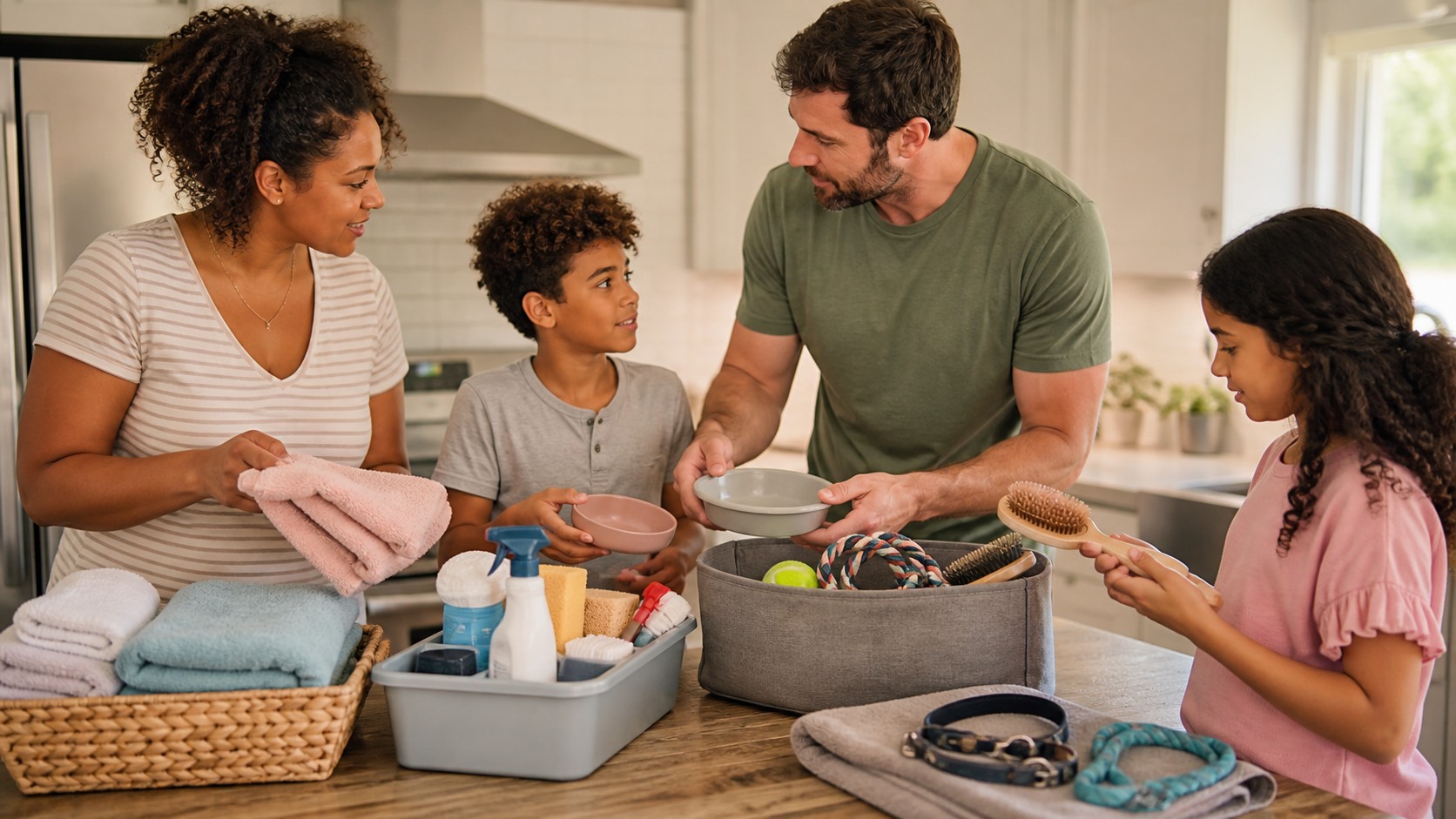
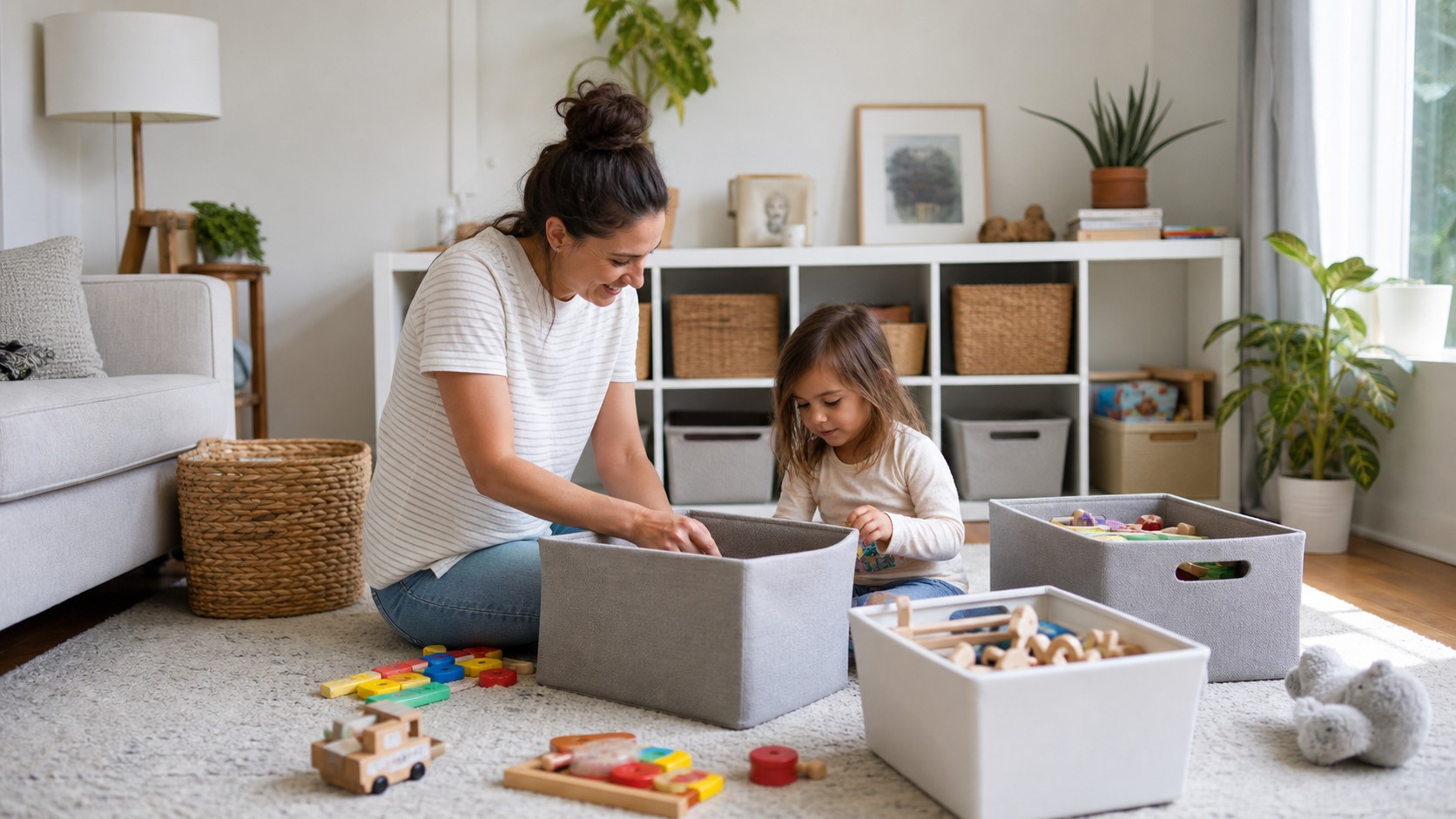
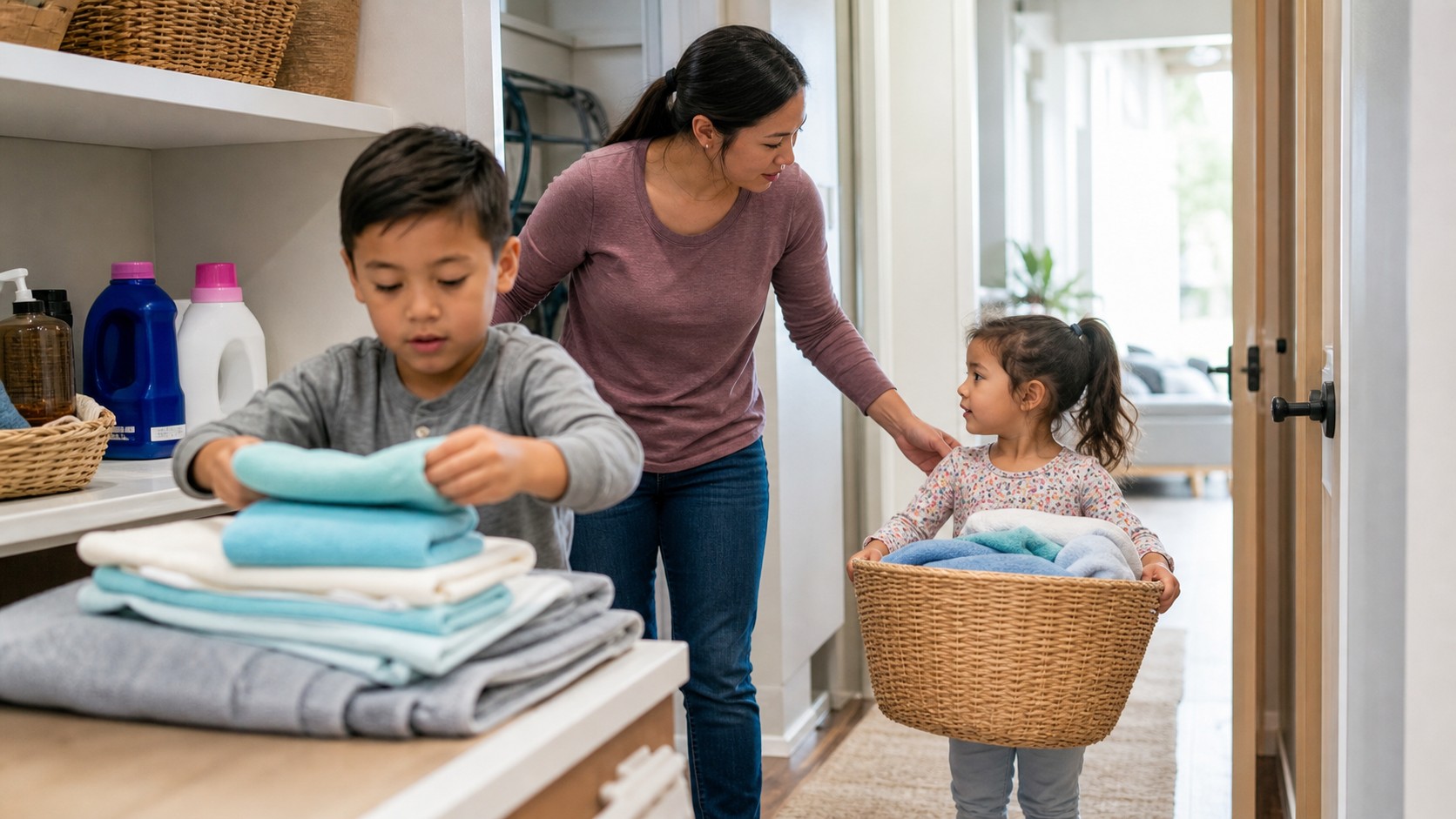
A family routine works better when everyone has a role that fits their age and capacity. Young children can put shoes in a basket, carry napkins, choose pajamas, or place a backpack by the door. Older children can pack lunches, check supplies, start laundry, or manage part of their homework setup.
The key is to assign real jobs, not symbolic ones that create more adult work than they save. Teach the job slowly, accept imperfect practice, and decide what standard truly matters. A child learning to clear the table may not do it beautifully at first, but they are learning contribution.
Parents should also divide adult responsibilities honestly. If one parent silently tracks every routine, the system may look organized while one person burns out. A working routine includes visible ownership, not just visible tasks for children.
Plan for the Day Going Wrong
A routine is only useful if it can survive ordinary disruption. Build in reset points. If the morning explodes, the family can still reset at pickup. If homework goes badly, bedtime can still have a shorter but familiar order. The goal is to return to the routine, not punish everyone for falling out of it.
Backup plans help. Keep a simple dinner option available. Decide what happens when laundry is not done. Create a shorter bedtime version for late nights. These plans prevent one problem from becoming the reason the whole evening unravels.
Children also learn resilience from reset language. “We missed the first part, so we are joining the routine at pajamas” teaches flexibility. It is better than declaring the night ruined and giving up on every remaining structure.
Protect Sleep and Recovery
Many routine problems are really recovery problems. Children who are underslept, overscheduled, hungry, or overstimulated will struggle to follow even a beautiful plan. Before adding more structure, check whether the day has enough space for bodies to recover.
Bedtime deserves special protection because it affects everything else. A calmer morning often begins with an earlier screen cutoff, simpler pajamas routine, or fewer bedtime negotiations. Small evening changes can produce larger daytime gains than parents expect.
Parents need recovery too. A routine that depends on an exhausted adult doing every step perfectly will not last. Build systems that reduce decision fatigue: repeated meals, prepared bags, shared calendars, and chores that happen at the same anchor point.
Review the Routine Without Blame
After a week, ask what actually happened. Which step worked? Which step created friction? Which expectation was unclear? The review should feel like adjusting a household tool, not judging family character. If a routine fails, it may be too long, too hidden, too adult-dependent, or aimed at the wrong problem.
Invite children into the review with specific choices. “Should homework start before snack or after snack?” is easier than “How do you feel about the routine?” Children often give better input when the options are concrete. Their ideas may reveal barriers adults missed.
Keep what works and change one thing at a time. Families often abandon routines because they expect a total transformation immediately. A better goal is steady improvement: fewer repeated reminders, smoother transitions, more shared responsibility, and quicker recovery when life gets messy.
Design for the Parent Who Is Most Tired
A routine that only works when adults are rested will fail often. Build the system for the parent who is making dinner after a long day, answering a work message, or managing a child’s big feelings while another child needs help. The routine should reduce mental load in those moments, not add another standard to maintain.
This may mean simplifying. A two-step after-school routine that actually happens is better than a beautiful seven-step plan that collapses by Wednesday. It may mean placing supplies where tired people naturally drop things. It may mean choosing repeated meals or clothing systems that feel boring but useful.
Designing for tired adults is not lowering the bar. It is respecting reality. Children benefit when the routine is calm enough for parents to use consistently.
Handle Different Ages in One Household
Family routines get complicated when children are in different stages. A toddler needs hands-on help while an older child needs privacy for homework. A preschooler may be loud at the exact time a tween needs quiet. The routine has to account for overlapping needs instead of pretending everyone can move through the same steps the same way.
Use zones and staggered responsibilities when possible. One child can start pajamas while another packs a lunch. An older child can read near a younger sibling without becoming responsible for parenting them. A parent can give the youngest child a simple job that keeps them near the routine rather than loose in the room.
Fairness does not mean identical expectations. It means each child has a role that fits their capacity and contributes to the household. Naming that difference helps reduce resentment.
Keep Routines From Becoming Battles
A routine should lower conflict, not become a new weapon. If parents use the chart mainly to prove a child failed, the child will begin to resent the chart. The routine needs to be a guide the family returns to, not a scoreboard that records every mistake.
Use neutral language when pointing back to the plan. “Check the next step” usually lands better than “You never follow the routine.” If the child resists, the adult can help start the step or calmly follow through. The routine does not need a lecture attached to it every time.
Celebrate function more than perfection. If the family left on time with one missing hairbrush and a little grumbling, the routine may still be working. The aim is a more livable day, not a flawless household performance.
Know When to Retire a Routine
Some routines stop working because the child has grown, the school schedule has changed, or the household has entered a new season. A routine that once helped may become too babyish, too crowded, or too dependent on an adult who no longer has the same availability. Retiring a routine is not failure. It is maintenance.
Watch for signs that the routine has outlived its usefulness. Children may follow it easily but resent the tone, skip steps because they no longer make sense, or need more independence than the system allows. Parents may also notice that they are enforcing a plan no one remembers choosing.
When that happens, keep the anchor and redesign the steps. The family may still need a bedtime rhythm, but the picture chart can become a private checklist. The morning routine may still matter, but an older child may own more of it. Working routines grow with the people using them.
A short review at the start of each new school term can help. Ask what should stay, what should be easier, and what responsibility each person is ready to carry next. That conversation keeps routines alive without making them feel permanent or overly controlled by yesterday’s needs and old household pressure during new seasons of family life at home each year together.