Listening Starts Before the Words
Learning how to talk so kids listen is less about finding the perfect sentence and more about changing the conditions around the sentence. Children listen better when they feel physically safe, emotionally seen, and clear about what is expected next. Yelling and threats can create quick movement, but they usually teach children to react to volume instead of understanding the limit. A calmer approach asks parents to get close, use fewer words, name the next action, and follow through consistently enough that the child does not have to test every instruction from the beginning.
A: They may have learned that volume means the real limit has arrived.
A: Move close, get attention, and give one clear next step.
A: No; connected outcomes teach while threats mainly create fear.
A: Ask calmly, confirm attention, then follow through with the matching action.
A: Yes; name the feeling while keeping the boundary steady.
A: Shorten the language and act on the limit instead of debating.
A: Often yes, but timing matters; teach after the conflict cools.
A: Pause, summarize the next action, and return to teaching later.
A: Calm communication works best when follow-through is predictable.
A: Connection, consistency, proximity, and realistic expectations work together.
Why Yelling Gets Attention but Not Real Listening
Yelling often works in the narrowest possible sense: the child stops, freezes, or moves. That can make it feel effective when a parent is exhausted. The problem is that a child’s nervous system may be responding to alarm rather than meaning. They hear danger in the voice before they can process the instruction.
Threats create a similar trap. A child may comply because they fear losing something, but the lesson becomes about avoiding punishment instead of practicing responsibility. Over time, parents may have to make the threat bigger to get the same reaction. That pattern leaves everyone feeling more brittle.
Real listening is different. It means the child can take in the words, understand the expectation, and move toward repair or action. Calm communication does not guarantee instant cooperation, but it gives the child’s brain a better chance to stay engaged.
Get Close Before You Get Louder
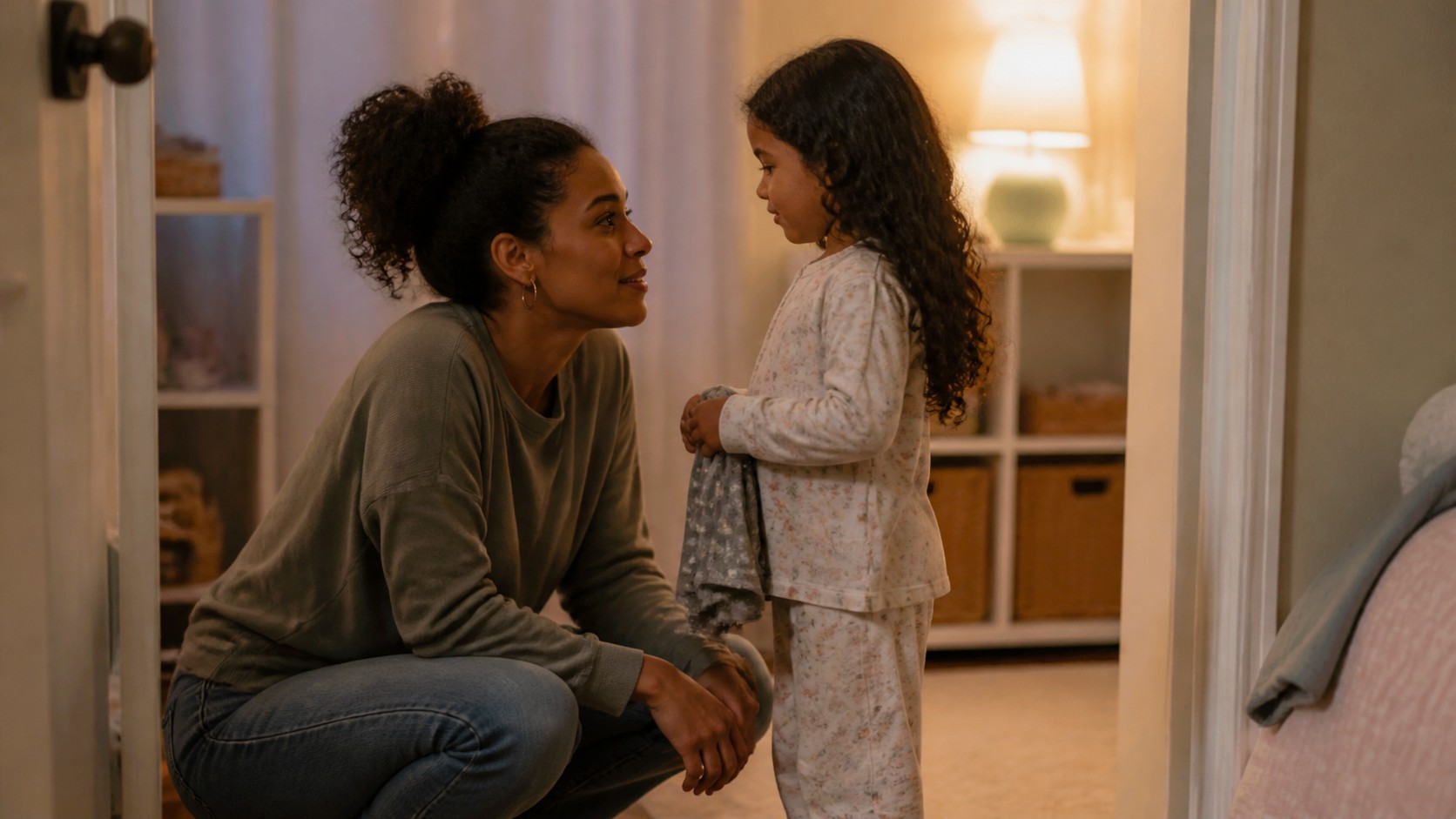
Many parents raise their voice because they are talking from too far away. Calling across rooms invites children to keep doing what they are doing while the adult repeats themselves. Moving closer changes the interaction. Eye contact is not always necessary, especially for overwhelmed children, but proximity helps the words feel directed and real.
Getting close also gives parents information. A child who looked defiant from the kitchen may be tangled in a shoe, absorbed in a book, or near tears over a missing toy. The closer view does not erase the expectation, but it helps the parent choose the right entry point.
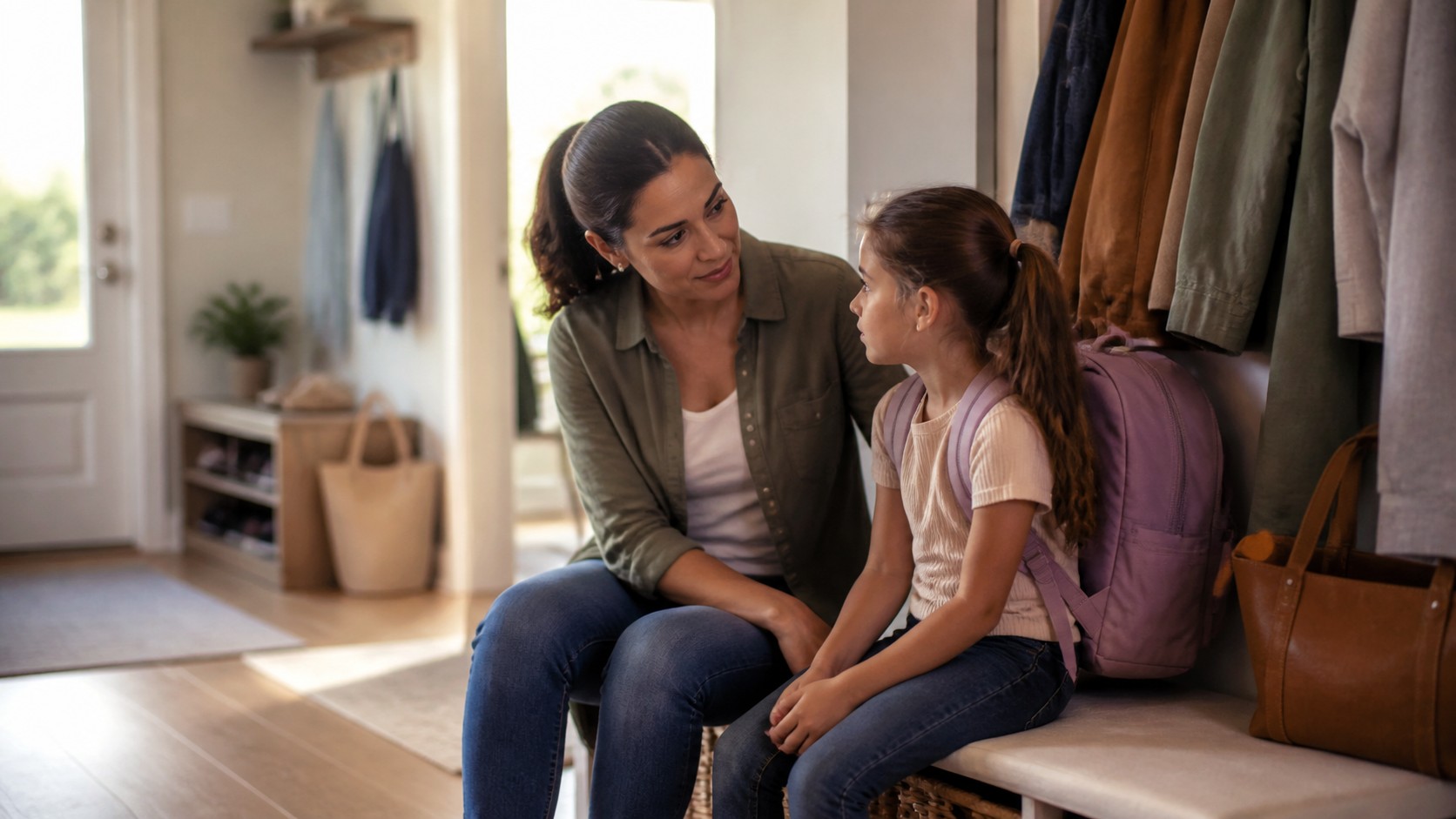
A useful sequence is name, pause, instruction. Say the child’s name, wait until you have some sign of attention, then give the next step. It takes a few seconds longer at first, but it prevents the ten-minute spiral of shouted reminders.
Use Fewer Words Than You Want To Use
When parents feel ignored, the urge to explain grows. The adult wants the child to understand every reason, every consequence, and every frustration behind the request. Unfortunately, long explanations often arrive when the child has the least capacity to absorb them. The message gets buried inside the lecture.
Short language is not cold. It is mercifully clear. “Shoes on, then breakfast” is easier to follow than a speech about being late. “Hands are for helping” is easier to use than a lecture about kindness during a sibling conflict. The child may still resist, but now the instruction is visible.
Save deeper teaching for later. After everyone is regulated, you can talk about respect, time, responsibility, or safety. In the heat of the moment, the job is usually to guide the next action.
Make the Limit Predictable
Children listen more consistently when they know what happens after the words. If a parent sometimes repeats a request seven times, sometimes yells, and sometimes gives up, the child learns to wait for the real signal. Predictability teaches them that the first calm instruction counts.
Follow-through does not have to be harsh. If toys are being thrown, the toy can be put away for a while. If a child will not leave the park, the adult can calmly help their body move. If a screen is finished, the device can be taken without a debate. The key is that the action matches the limit.
A calm follow-through often feels harder than yelling because it requires the parent to tolerate protest. Protest is not proof that the limit failed. It is often the sound of a child adjusting to a boundary they did not choose.
Listen First When the Problem Is Emotional
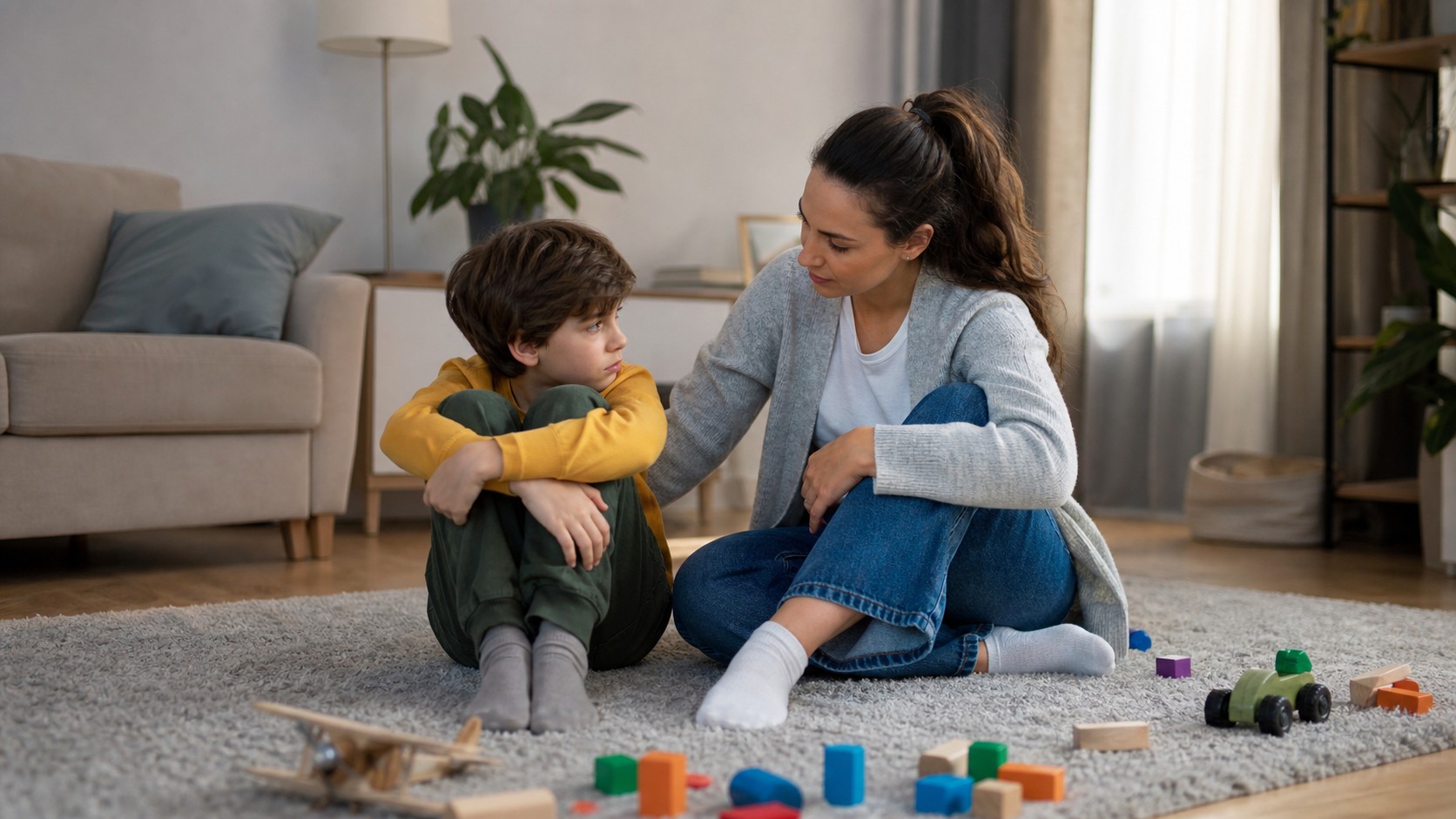
Some children cannot listen because they do not yet feel listened to. This does not mean parents must agree with the child or abandon the boundary. It means a brief reflection can open the door: “You wanted more time,” or “You were hoping I would say yes.” Those words reduce the child’s need to prove their point.
Reflective listening is especially helpful with older children who hear commands as disrespect. A parent can say, “I get that you do not want advice yet. I still need the kitchen cleaned before bed.” The child receives both dignity and direction. That combination is much easier to cooperate with than contempt.
Parents do not need to reflect forever. One accurate sentence is often enough. The point is to show that the adult is not ignoring the child’s experience while holding the line.
Replace Threats With Clear Outcomes
A threat is usually designed to scare movement out of a child. A clear outcome simply names what will happen next. “If the tablet is not handed over, I will put it on the charger myself” is different from “You will never use this again.” The first is grounded. The second invites panic, bargaining, or disbelief.
Clear outcomes should be close to the behavior. If the problem is throwing markers, the markers pause. If the issue is rough play, bodies separate. If homework is being avoided, the first step may happen with adult support nearby. Consequences that are connected to the moment teach more than dramatic punishments.
This approach protects parental credibility. Children learn that parents mean what they say because the next action is realistic. The adult does not have to invent a bigger consequence to be taken seriously.
Build Listening Outside Conflict
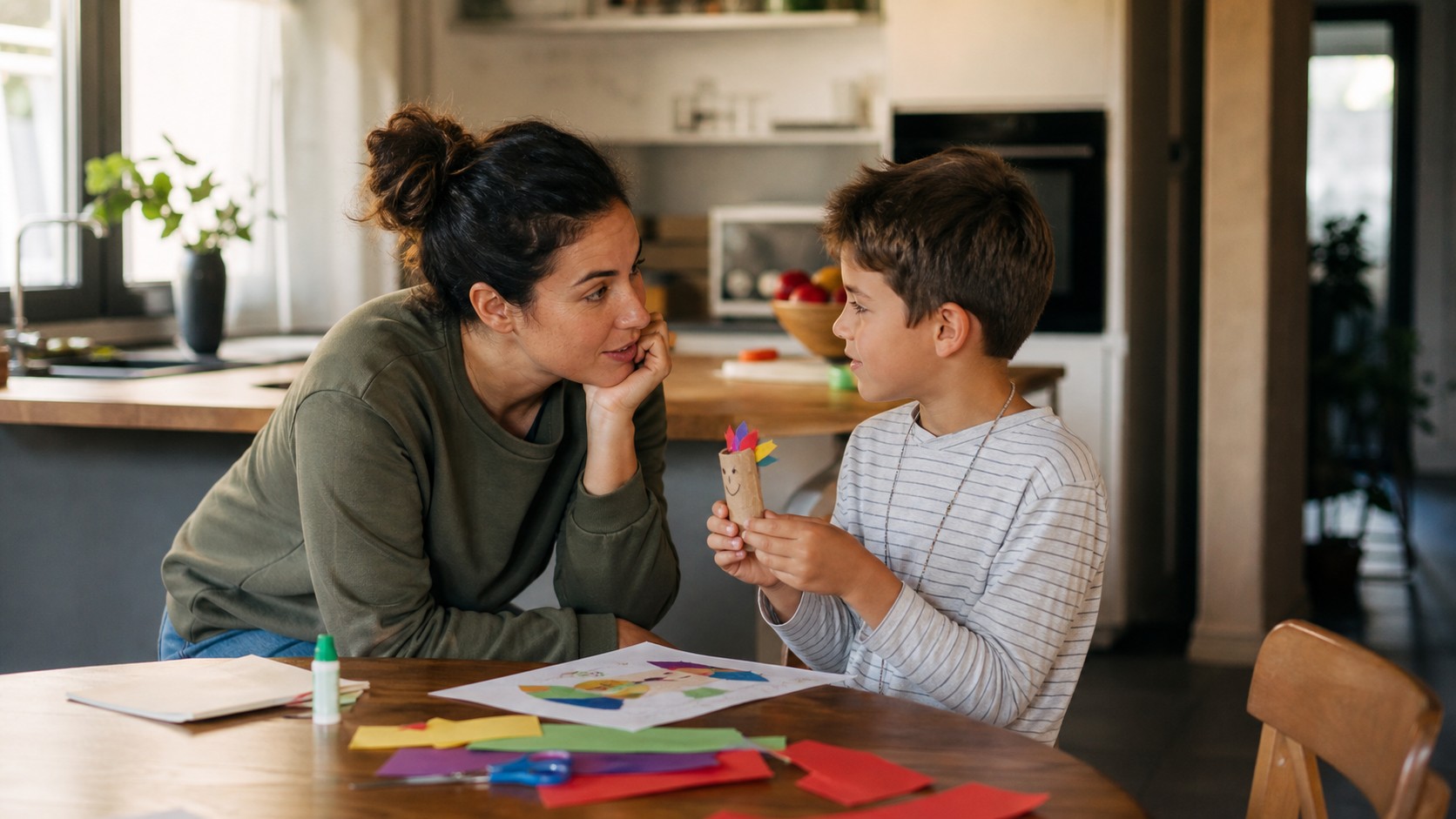
Children are more likely to listen during hard moments when the relationship has ordinary deposits of connection. Ten minutes of full attention, a shared joke, a bedtime check-in, or help with a project can change how a child receives direction later. Connection does not buy obedience, but it builds trust.
Practice listening as a family skill when the stakes are low. Ask children to repeat the plan before leaving the house. Let them help decide the order of a routine. Notice when they respond the first time. These small habits make communication feel normal instead of only corrective.
Parents can also model listening by letting a child finish a thought before answering. That does not mean every request becomes negotiable. It means the child experiences the respect the parent is asking them to show. In families, listening is learned in both directions.
Know When Your Child Cannot Process More
A child who is hungry, exhausted, overstimulated, embarrassed, or panicking may not be able to listen in the ordinary sense. The ears may work, but the brain is busy protecting, protesting, or shutting down. In those moments, more words usually create more resistance. The parent may need to reduce the demand, lower the voice, and help the body settle before returning to the lesson.
This does not mean the child gets a pass on harmful behavior. It means the timing of teaching changes. If a child throws a toy, the toy can still be removed. The conversation about safer anger can wait until the child can actually participate. Parents often get better results when they separate immediate safety from later reflection.
Watch for signs that the child is past the point of useful discussion: blank staring, frantic arguing, curled posture, repeated phrases, or laughing that seems disconnected from the situation. These cues suggest the adult should stop convincing and start stabilizing. A short sentence such as, “We are pausing now,” can protect everyone from a pointless verbal spiral.
Use Family Meetings for Repeated Problems
Some listening struggles are really planning struggles. If the same fight happens every morning, the solution may not be a better command at 7:42 a.m. It may be a family conversation the night before, when everyone can look at the routine and decide what needs to change. Children often listen better to a plan they helped shape.
A family meeting should be practical and brief. Name the problem without blaming, ask what gets in the way, and choose one experiment. Maybe shoes move by the door. Maybe the backpack is packed before dinner. Maybe the child gets a visual order of tasks. The purpose is not to hold court. The purpose is to reduce the number of moments that require emergency communication.
When the new plan is in place, parents can refer back to it with fewer words. “Check the morning plan” sounds different from another lecture about being late. The child is being pointed toward a shared agreement, not dragged into a fresh argument.
What to Do After You Lose Your Cool
Even parents who believe deeply in calm communication will sometimes yell. The repair afterward matters. A useful repair names the adult’s behavior without making the child responsible for it: “I yelled, and I should have taken a breath.” That sentence teaches accountability more effectively than pretending nothing happened.
The repair can also restate the boundary. “I am sorry for yelling. The tablet still needed to be turned off.” This prevents children from learning that apology means the rule disappears. It shows them that respect is required on both sides, even when the adult is correcting behavior.
After repair, look for the pressure point that made yelling more likely. Maybe the parent waited too long to intervene. Maybe the routine is unrealistic. Maybe the adult needs food, rest, or backup. Calm communication is easier when the system around the parent is not constantly pushing them past capacity.
Measure Progress by the Pattern
Parents often feel discouraged when one calm attempt does not produce a calm child. That is understandable, but it is too small a sample. Communication patterns change through repetition. A child may test the new approach, protest the loss of old negotiations, or need time to believe the parent will follow through without exploding.
Progress may look ordinary at first. The child argues for five minutes instead of fifteen. The parent catches their volume halfway through. A sibling conflict ends with repair instead of everyone leaving the room furious. These small shifts matter because they show the family system learning a new rhythm.
The long-term goal is not a home where children always obey immediately. It is a home where words carry meaning without fear, limits are real without threats, and repair is normal after strain. That kind of listening is slower to build than yelling, but it is sturdier once it takes root.
If the pattern still feels stuck, choose one recurring moment and change only that moment for a week. Maybe bedtime gets fewer words, or morning instructions happen face to face, or screen limits get one calm follow-through. Narrow practice helps parents notice what actually works instead of trying to overhaul every conversation at once.