Emotional Intelligence Shows Up in Small Social Choices
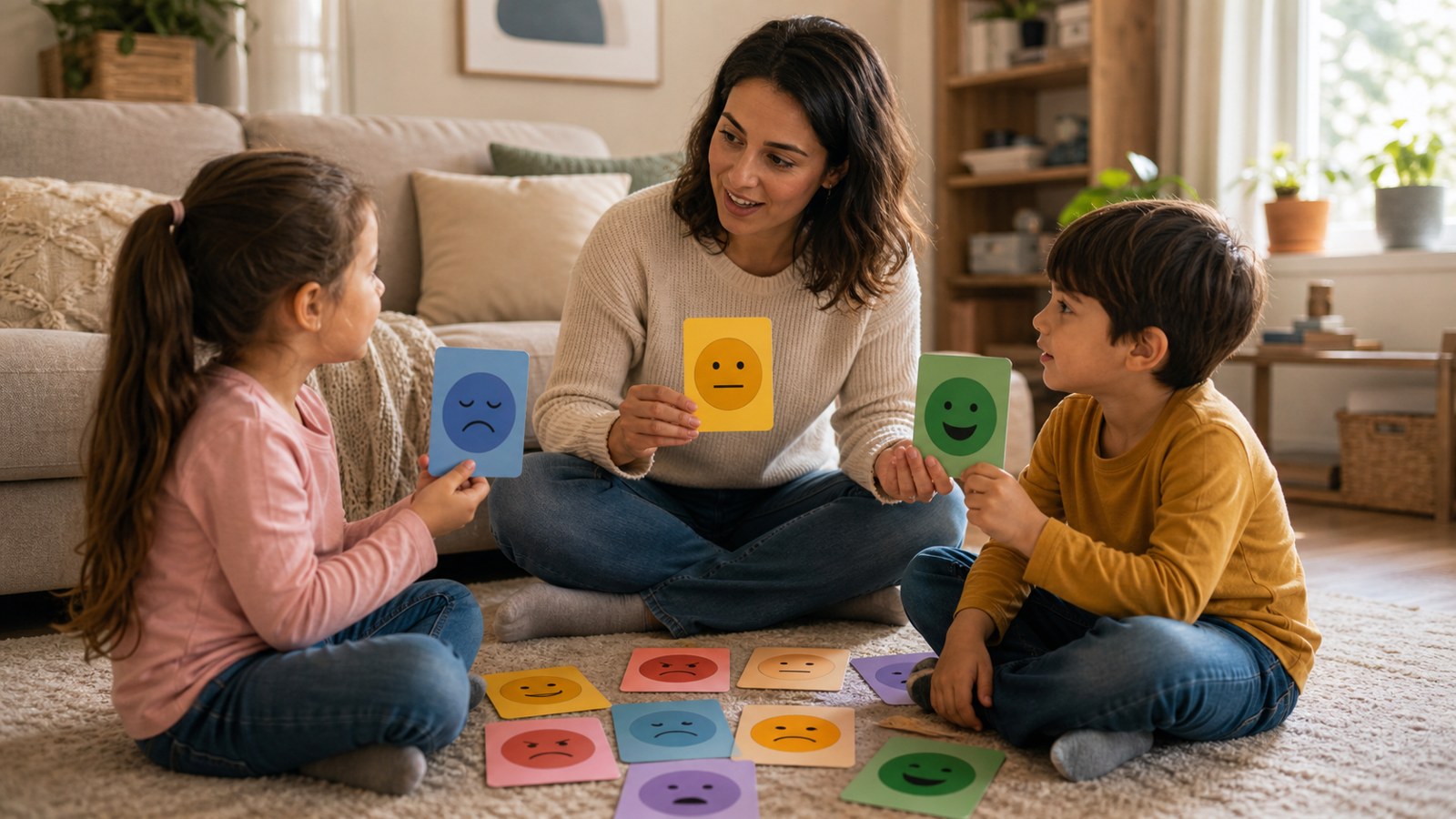
A child with growing emotional intelligence may notice when someone is upset, recover after frustration, apologize with help, or explain a feeling instead of only acting it out. These signs can be quiet. Emotional intelligence is not the same as being agreeable all the time. It is the ability to understand feelings, use them as information, and stay connected to others while solving problems.
A: Perspective-taking grows slowly with practice.
A: Strong feelings do not mean low emotional intelligence.
A: Kindness needs boundaries to stay healthy.
A: Self-control improves with adult coaching.
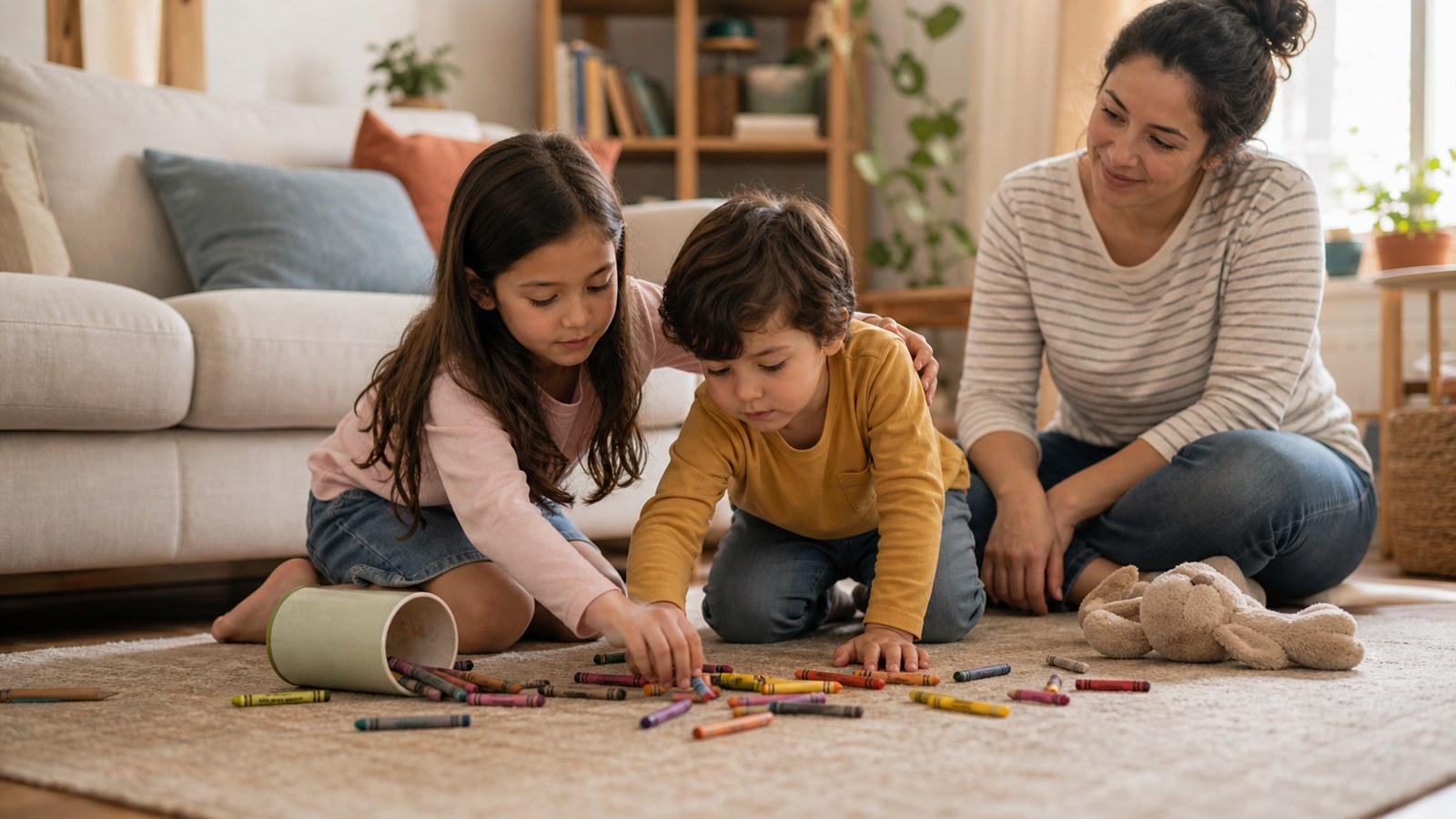
A: Friendship conflicts can become practice opportunities.
A: Parents can strengthen EI by naming their own repairs.
A: Confidence grows when feelings are not treated as weakness.
A: Emotionally aware children often notice shifts in others.
A: A sincere repair attempt is a major strength.
A: Feeling words help children ask for support.
What Parents Usually Notice First
A child with growing emotional intelligence may notice when someone is upset, recover after frustration, apologize with help, or explain a feeling instead of only acting it out. These signs can be quiet. Emotional intelligence is not the same as being agreeable all the time. It is the ability to understand feelings, use them as information, and stay connected to others while solving problems.
The visible behavior is only part of the story. Parents can look beneath the surface by asking what the child is practicing, what the adult is expecting, and what the family pattern has been teaching. That question opens more useful responses than blame.
Why This Changes Daily Life
Signs Your Child Has High Emotional Intelligence (and How to Strengthen It) affects ordinary family moments: transitions, chores, meals, school pressure, sibling conflict, bedtime, and repair after stress. When parents understand the pattern, they can choose a response that is calmer and more specific.
Children benefit when adults are clear without becoming harsh. A steady response gives the child something to learn from, while warmth keeps the relationship strong enough to receive the lesson.
Where Parents Can Start
The best starting point is one repeated moment, not an entire personality overhaul. Pick the place where the same conflict keeps returning and write down what happens before, during, and after it.
Then change one part of the pattern. Use a shorter phrase, prepare the transition earlier, add a visible routine, or repair more directly afterward. Small repeated changes are easier for children and adults to trust.
What Children Learn Over Time
Children learn from repetition. They notice whether adults keep promises, whether mistakes can be repaired, whether feelings are safe, and whether limits stay steady when emotions rise.
Over time, those lessons become part of the child's inner voice. That is why the family pattern matters more than one perfect conversation.
A Healthier Family Rhythm
A healthier rhythm does not remove conflict. It gives the family a way through conflict that protects dignity. Parents can hold values, teach responsibility, and still make room for growth.
The goal is a home where people can tell the truth, practice new skills, and come back together after hard moments. That kind of rhythm supports children far beyond the issue of the day.