Children Need Security More Than One Family Shape
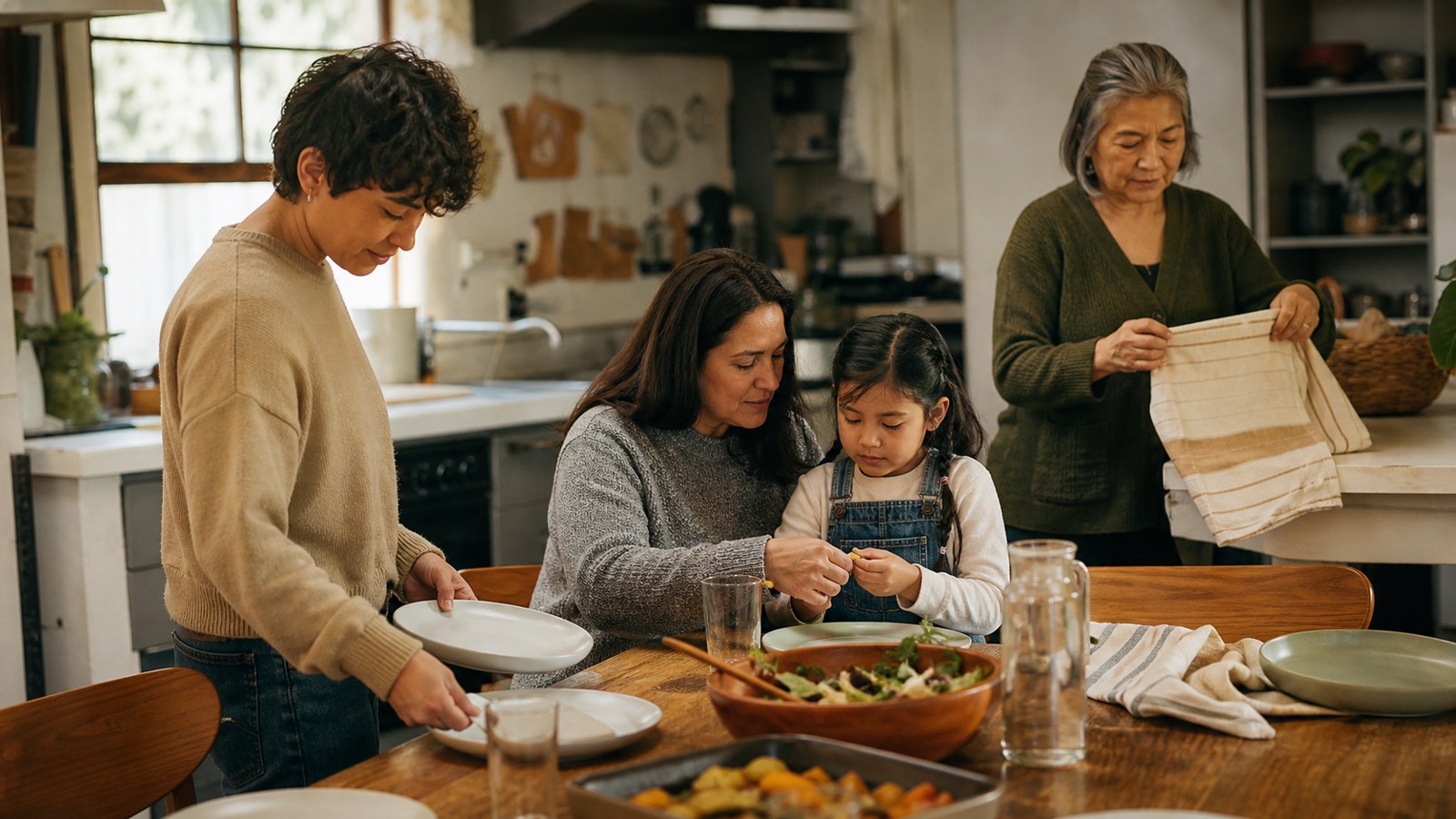
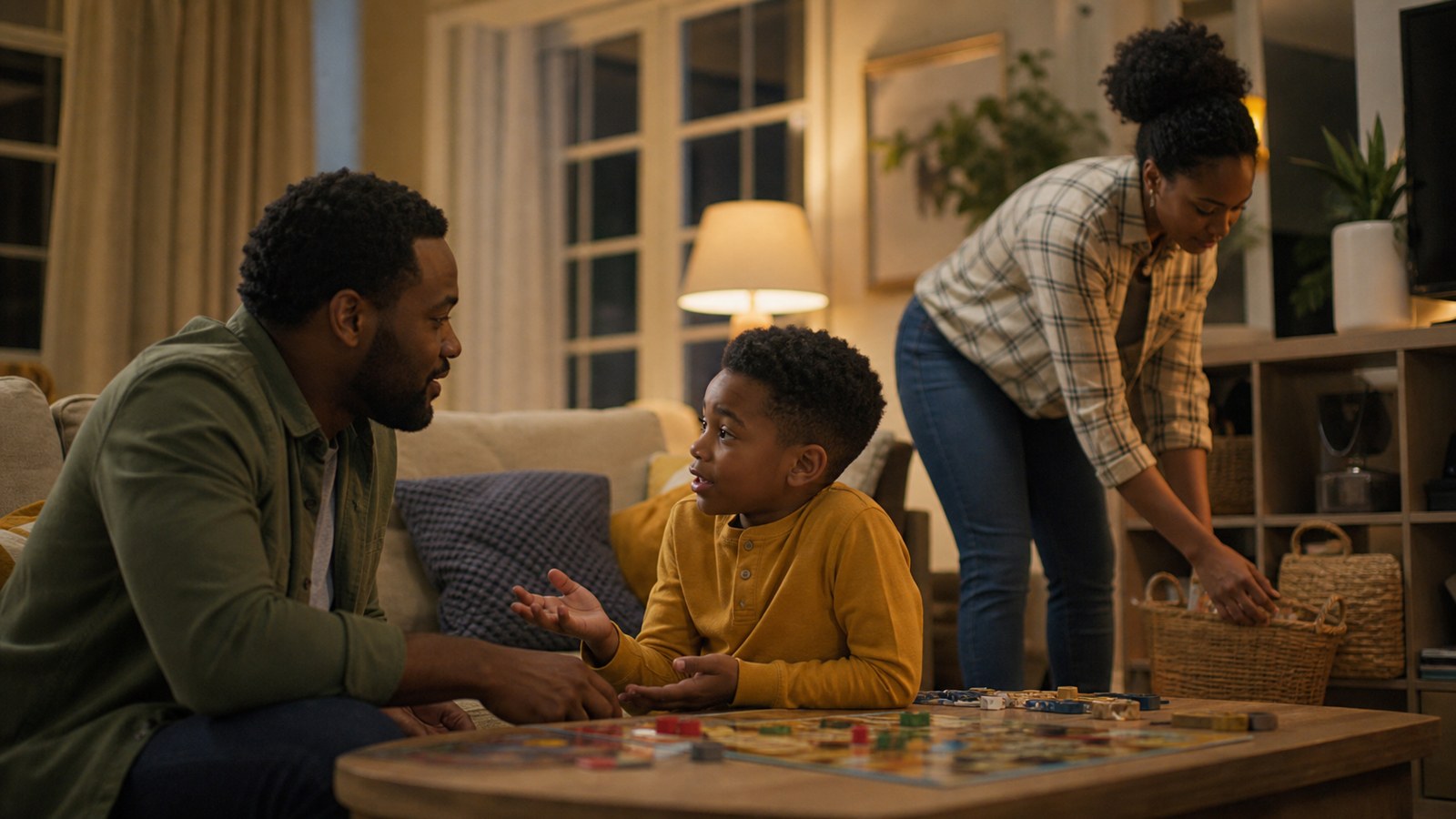
Family structure matters, but not in the simplistic way people often describe it. Children can thrive with married parents, single parents, blended families, grandparents, adoptive parents, foster caregivers, co-parents, or relatives who step into daily care. What shapes children most is whether the adults provide stability, affection, clear roles, and honest explanations when family life changes. A household does not need to look traditional to feel safe. It needs dependable care, room for belonging, and adults who do not make children carry confusion alone.
A: The best structure is one where children receive safe, consistent, loving care from responsible adults.
A: Children need dependable care and emotional security; those can exist in many household forms.
A: Use honest, age-appropriate language and repeat that the child did not cause the change.
A: Yes, especially when adults allow trust to grow through time and predictable care.
A: Being pulled into adult conflict, blame, secrets, or loyalty tests is especially stressful.
A: They do not have to be identical, but safety, respect, and major expectations should be clear.
A: Yes, often by adding history, care, and authority that should be discussed openly.
A: Reliable support, routines, and honest limits matter more than doing everything alone.
A: Missing the old rhythm can be normal even when the new structure is healthy.
A: Ask for help when family stress repeatedly affects sleep, school, safety, or emotional wellbeing.
The Structure Children Feel Most
Adults often focus on what a family looks like from the outside, but children feel structure from the inside. They notice who shows up, who listens, who keeps promises, and who helps them understand changes. A child in a nontraditional household can feel deeply secure when the adults are steady. A child in a traditional household can feel unsafe if the home is tense, unpredictable, or emotionally cold.
That does not mean structure is irrelevant. Children do need to know who is responsible for them, where they belong, what routines anchor the day, and what rules protect everyone. The point is that structure is a lived experience, not a photograph. The daily pattern matters more than the label.
When Family Life Changes
Divorce, remarriage, adoption, foster placement, relocation, death, incarceration, military service, and caregiving changes can all reshape a child's sense of home. The child may not have adult language for the change, but they will react to it. Some children ask direct questions. Others become clingy, irritable, quiet, controlling, or suddenly younger in behavior.
Parents and caregivers can help by making the story simple and repeatable. Children do not need every adult detail. They do need to know what will happen next, who will care for them, and whether they are allowed to love people across households. Reassurance works best when it is paired with predictable action.
Blended and Shared-Care Homes
Blended families are not instant families with a new name. They are relationships under construction. A child may like a stepparent and still resist their authority. A teenager may appreciate a new sibling and still resent sharing space. These mixed feelings do not mean the family is failing; they mean attachment is adjusting.
Shared-care homes need special attention to adult communication. Children should not carry messages, spy, defend one parent, or manage schedules. When adults keep conflict away from the child, transitions become less emotionally expensive.
The Power of Wider Support
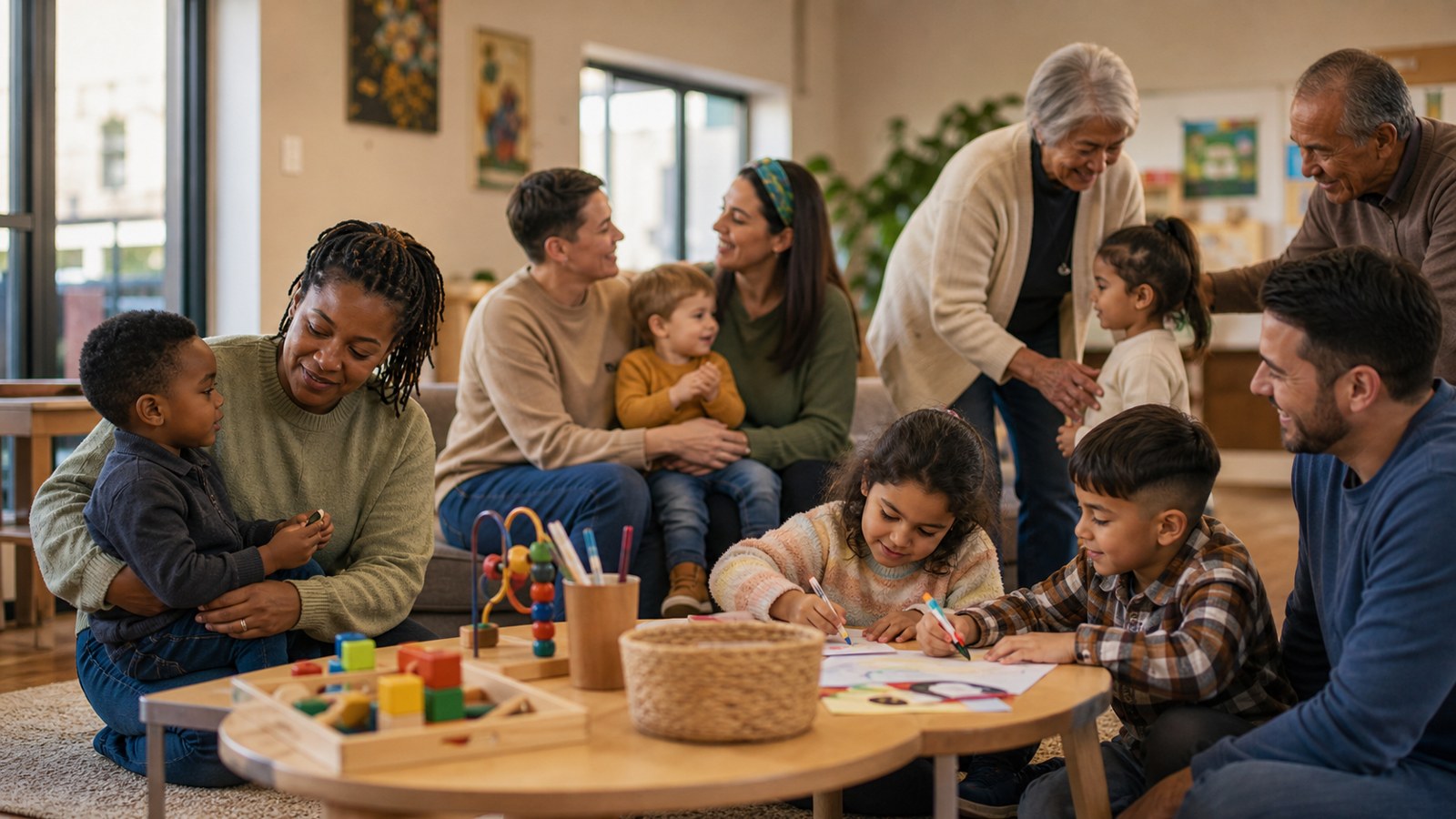
Many children are raised by networks rather than one isolated household. Grandparents, aunts, uncles, close family friends, neighbors, teachers, and community members can all become part of a child's stability. This is especially important when a parent is stretched thin or a family is moving through change.
Support should still have boundaries. A wider circle helps most when adults agree on safety, respect, and the child's emotional needs. Too many competing rules can confuse children, but a well-coordinated circle can make them feel strongly held.
What Parents Can Do Now
Parents can begin by asking what the child needs to feel secure this week. The answer might be a calendar, a bedtime ritual, a direct conversation, a calmer handoff, or private time with a caregiver. Small actions are powerful because children measure safety through repetition.
The healthiest family structures are honest enough to name reality and warm enough to protect belonging. Children do not need a perfect origin story. They need adults who can say, this is our family, these are the people who care for you, and you are not alone inside the changes.