Waste Reduction Works When It Fits a Busy Home
Reducing household waste as a busy family is not about becoming perfectly zero-waste overnight. It is about noticing where food, packaging, paper, clothes, toys, and energy slip through the cracks of daily life. Families make the most progress when they choose changes that save money, reduce cleanup, and give children simple roles they can repeat without turning the home into a sustainability showroom.
A: Start with food waste or paper towels because those patterns are visible and easy to measure.
A: Give them one concrete job near the moment of use, such as carrying scraps or returning containers.
A: Create a return spot and keep fewer items in rotation so missing pieces are noticed quickly.
A: Use what you already own first; buying less is often the greener and cheaper move.
A: Use the convenience item, reset gently, and return to the habit when capacity comes back.
A: Yes, especially through less spoiled food, fewer disposables, repairs, and more intentional shopping.
A: Look at food, packaging, paper, clothing, toys, and anything repeatedly thrown out unused.
A: Focus on noticing patterns and caring for resources, not blaming a child for normal mistakes.
A: Check local rules when possible and keep the household system simple enough to follow.
A: The plan is working when trash shrinks and daily life feels a little easier, not more tense.
Start With What Fills the Trash
Start With What Fills the Trash helps parents make how to reduce household waste: a practical guide for busy families feel less like a vague improvement project and more like a workable family system. Waste often comes from rushed transitions, overbuying, forgotten leftovers, and systems that are too far from where the mess begins. The aim is not to control every variable in the household. The aim is to make the next ordinary day easier to enter, easier to repair, and easier to repeat.
The waste-reduction lens keeps the advice tied to real schedules, real children, and the amount of adult energy available. Parents can start by naming the friction point, choosing one visible support, and deciding what can be ignored for now. A smaller change used consistently usually helps more than a beautiful plan that depends on everyone being rested, cheerful, and perfectly cooperative.
After the family tests the idea, the most useful question is what became lighter and what quietly became harder. If the system saves time but creates conflict, adjust the roles. If it looks tidy but nobody uses it, move it closer to the moment of need. Good family plans are allowed to be plain, flexible, and revised without drama.
Reduce Food Waste Before Buying Gear
Reduce Food Waste Before Buying Gear helps parents make how to reduce household waste: a practical guide for busy families feel less like a vague improvement project and more like a workable family system. Children can participate when the habit is visible, concrete, and attached to a routine they already know. The aim is not to control every variable in the household. The aim is to make the next ordinary day easier to enter, easier to repair, and easier to repeat.
The waste-reduction lens keeps the advice tied to real schedules, real children, and the amount of adult energy available. Parents can start by naming the friction point, choosing one visible support, and deciding what can be ignored for now. A smaller change used consistently usually helps more than a beautiful plan that depends on everyone being rested, cheerful, and perfectly cooperative.
Create Reusable Defaults That Are Easy to Find
Create Reusable Defaults That Are Easy to Find helps parents make how to reduce household waste: a practical guide for busy families feel less like a vague improvement project and more like a workable family system. Busy parents need low-waste changes that remove decisions instead of adding more invisible labor. The aim is not to control every variable in the household. The aim is to make the next ordinary day easier to enter, easier to repair, and easier to repeat.
The waste-reduction lens keeps the advice tied to real schedules, real children, and the amount of adult energy available. Parents can start by naming the friction point, choosing one visible support, and deciding what can be ignored for now. A smaller change used consistently usually helps more than a beautiful plan that depends on everyone being rested, cheerful, and perfectly cooperative.
After the family tests the idea, the most useful question is what became lighter and what quietly became harder. If the system saves time but creates conflict, adjust the roles. If it looks tidy but nobody uses it, move it closer to the moment of need. Good family plans are allowed to be plain, flexible, and revised without drama.
Make Sorting Simple Enough for Kids
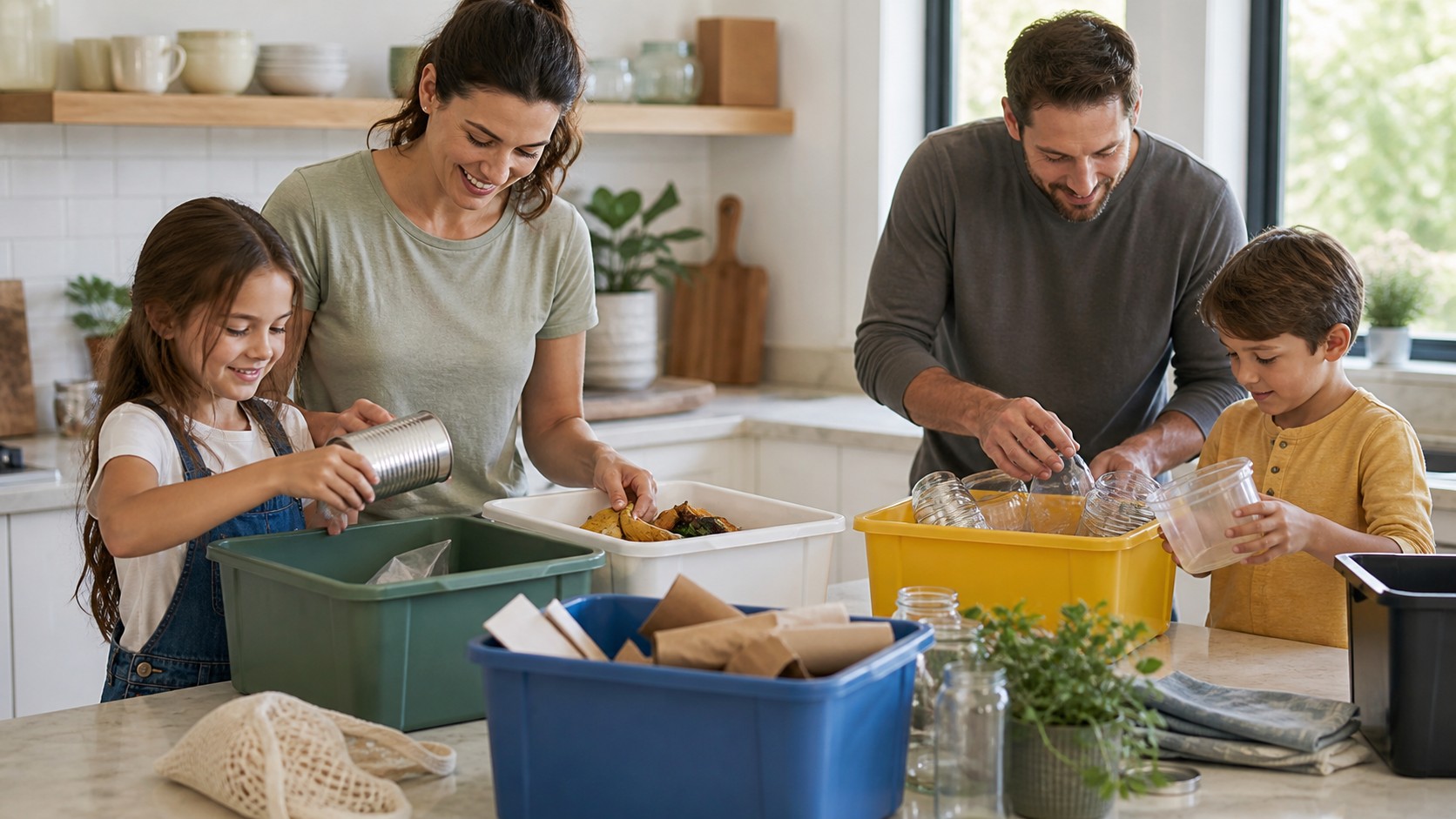
Make Sorting Simple Enough for Kids helps parents make how to reduce household waste: a practical guide for busy families feel less like a vague improvement project and more like a workable family system. Waste often comes from rushed transitions, overbuying, forgotten leftovers, and systems that are too far from where the mess begins. The aim is not to control every variable in the household. The aim is to make the next ordinary day easier to enter, easier to repair, and easier to repeat.
The waste-reduction lens keeps the advice tied to real schedules, real children, and the amount of adult energy available. Parents can start by naming the friction point, choosing one visible support, and deciding what can be ignored for now. A smaller change used consistently usually helps more than a beautiful plan that depends on everyone being rested, cheerful, and perfectly cooperative.
After the family tests the idea, the most useful question is what became lighter and what quietly became harder. If the system saves time but creates conflict, adjust the roles. If it looks tidy but nobody uses it, move it closer to the moment of need. Good family plans are allowed to be plain, flexible, and revised without drama.
Repair and Donate Before Replacing
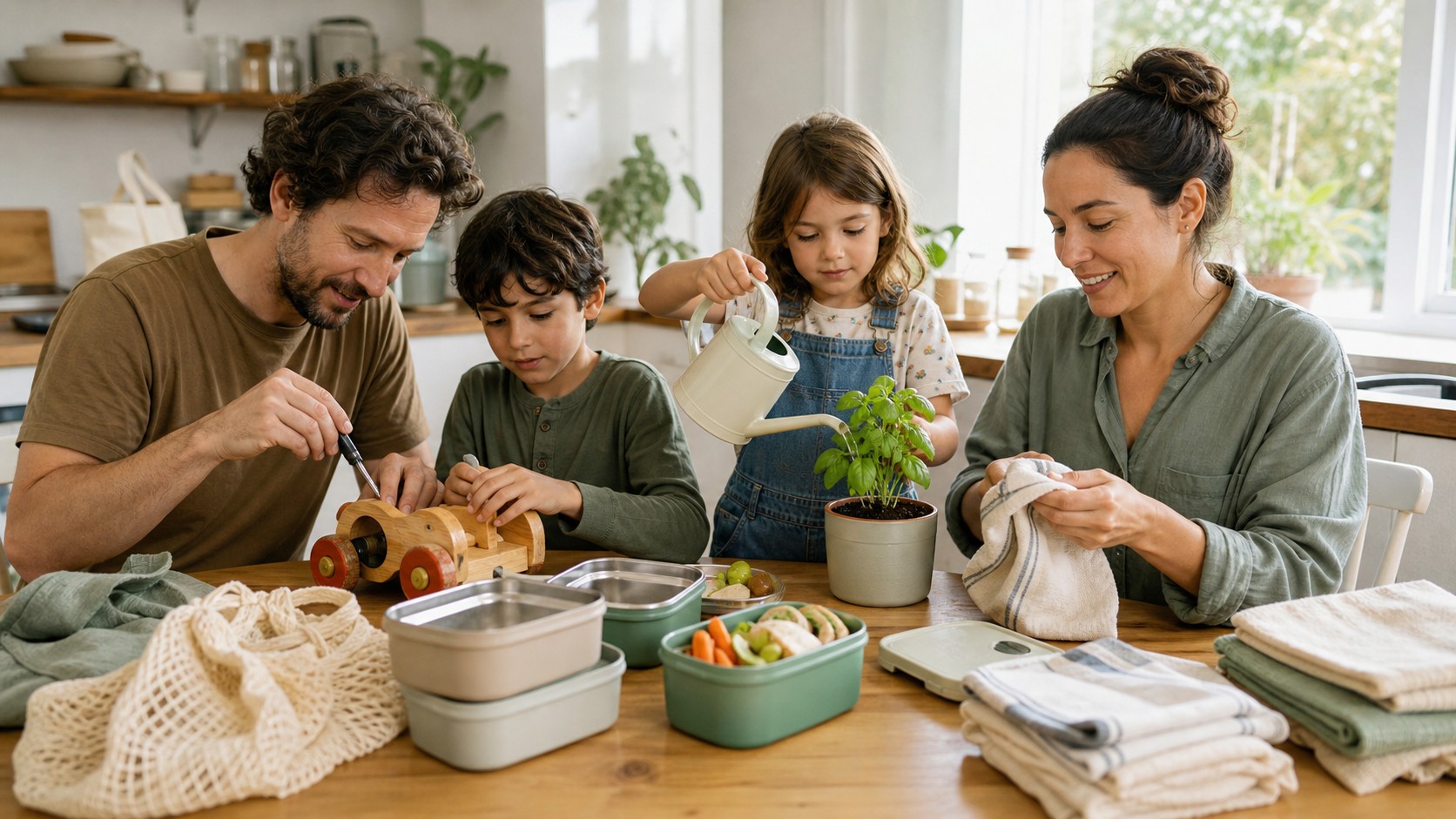
Repair and Donate Before Replacing helps parents make how to reduce household waste: a practical guide for busy families feel less like a vague improvement project and more like a workable family system. Children can participate when the habit is visible, concrete, and attached to a routine they already know. The aim is not to control every variable in the household. The aim is to make the next ordinary day easier to enter, easier to repair, and easier to repeat.
The waste-reduction lens keeps the advice tied to real schedules, real children, and the amount of adult energy available. Parents can start by naming the friction point, choosing one visible support, and deciding what can be ignored for now. A smaller change used consistently usually helps more than a beautiful plan that depends on everyone being rested, cheerful, and perfectly cooperative.
Shrink Paper and Packaging Pileups
Shrink Paper and Packaging Pileups helps parents make how to reduce household waste: a practical guide for busy families feel less like a vague improvement project and more like a workable family system. Busy parents need low-waste changes that remove decisions instead of adding more invisible labor. The aim is not to control every variable in the household. The aim is to make the next ordinary day easier to enter, easier to repair, and easier to repeat.
The waste-reduction lens keeps the advice tied to real schedules, real children, and the amount of adult energy available. Parents can start by naming the friction point, choosing one visible support, and deciding what can be ignored for now. A smaller change used consistently usually helps more than a beautiful plan that depends on everyone being rested, cheerful, and perfectly cooperative.
After the family tests the idea, the most useful question is what became lighter and what quietly became harder. If the system saves time but creates conflict, adjust the roles. If it looks tidy but nobody uses it, move it closer to the moment of need. Good family plans are allowed to be plain, flexible, and revised without drama.
Use Meal Planning Lightly
Use Meal Planning Lightly helps parents make how to reduce household waste: a practical guide for busy families feel less like a vague improvement project and more like a workable family system. Waste often comes from rushed transitions, overbuying, forgotten leftovers, and systems that are too far from where the mess begins. The aim is not to control every variable in the household. The aim is to make the next ordinary day easier to enter, easier to repair, and easier to repeat.
The waste-reduction lens keeps the advice tied to real schedules, real children, and the amount of adult energy available. Parents can start by naming the friction point, choosing one visible support, and deciding what can be ignored for now. A smaller change used consistently usually helps more than a beautiful plan that depends on everyone being rested, cheerful, and perfectly cooperative.
After the family tests the idea, the most useful question is what became lighter and what quietly became harder. If the system saves time but creates conflict, adjust the roles. If it looks tidy but nobody uses it, move it closer to the moment of need. Good family plans are allowed to be plain, flexible, and revised without drama.
Keep Waste Habits Near the Moment of Use
Keep Waste Habits Near the Moment of Use helps parents make how to reduce household waste: a practical guide for busy families feel less like a vague improvement project and more like a workable family system. Children can participate when the habit is visible, concrete, and attached to a routine they already know. The aim is not to control every variable in the household. The aim is to make the next ordinary day easier to enter, easier to repair, and easier to repeat.
The waste-reduction lens keeps the advice tied to real schedules, real children, and the amount of adult energy available. Parents can start by naming the friction point, choosing one visible support, and deciding what can be ignored for now. A smaller change used consistently usually helps more than a beautiful plan that depends on everyone being rested, cheerful, and perfectly cooperative.
Talk About Waste Without Guilt
Talk About Waste Without Guilt helps parents make how to reduce household waste: a practical guide for busy families feel less like a vague improvement project and more like a workable family system. Busy parents need low-waste changes that remove decisions instead of adding more invisible labor. The aim is not to control every variable in the household. The aim is to make the next ordinary day easier to enter, easier to repair, and easier to repeat.
The waste-reduction lens keeps the advice tied to real schedules, real children, and the amount of adult energy available. Parents can start by naming the friction point, choosing one visible support, and deciding what can be ignored for now. A smaller change used consistently usually helps more than a beautiful plan that depends on everyone being rested, cheerful, and perfectly cooperative.
After the family tests the idea, the most useful question is what became lighter and what quietly became harder. If the system saves time but creates conflict, adjust the roles. If it looks tidy but nobody uses it, move it closer to the moment of need. Good family plans are allowed to be plain, flexible, and revised without drama.
Review the System Once a Month
Review the System Once a Month helps parents make how to reduce household waste: a practical guide for busy families feel less like a vague improvement project and more like a workable family system. Waste often comes from rushed transitions, overbuying, forgotten leftovers, and systems that are too far from where the mess begins. The aim is not to control every variable in the household. The aim is to make the next ordinary day easier to enter, easier to repair, and easier to repeat.
The waste-reduction lens keeps the advice tied to real schedules, real children, and the amount of adult energy available. Parents can start by naming the friction point, choosing one visible support, and deciding what can be ignored for now. A smaller change used consistently usually helps more than a beautiful plan that depends on everyone being rested, cheerful, and perfectly cooperative.
After the family tests the idea, the most useful question is what became lighter and what quietly became harder. If the system saves time but creates conflict, adjust the roles. If it looks tidy but nobody uses it, move it closer to the moment of need. Good family plans are allowed to be plain, flexible, and revised without drama.